
'Muu Parlow', Pork Shank Braised in Sweet Soy with Eggs and Noodles

Muu parlow (หมูพะโล้) is one of the most eaten street food dishes in Thailand and one of the first things I had there that I knew I'd be cooking for years. It's technically a Chinese-Thai dish, brought into Bangkok's street food culture by Teochew and Hokkien immigrants who reshaped how the city eats, but it's been absorbed so completely into Thai cooking that it's as Thai as anything else sold from a cart. The braising liquid goes dark and shiny from the soy and palm sugar, the pork shank gives off its fat and collagen into the broth over hours, and what you end up with is one of the best bowls of noodles you'll make.
The technique starts in the oven. Roast the shank first for 45 minutes to crisp the skin and render the fat into the pan. That fat is what you fry the paste in. It's a simple thing but it means the paste cooks in something that already tastes like pork before any liquid goes near it. That's the difference between this and a braise where you start with neutral oil.
The sweet soy sauce here is kecap manis, the Indonesian version. It's thick, dark and syrupy, available at any Asian supermarket under the ABC or Bango brand. It's not the same as dark soy, which is thinner and much less sweet. Dark soy in a pinch is fine, but add an extra tablespoon of palm sugar to compensate for what you lose.
The eggs are cooked separately, then peeled and dropped into the braising liquid for the last 30 minutes. They take on the colour and flavour of the broth all the way through to the yolk. Split them at the table. It's the kind of dish you put on in the morning and leave to braise all day.
'Muu Parlow', Pork Shank Braised in Sweet Soy with Eggs and Noodles
Serves: 4 | Prep: 20 mins | Cook: 3 hours 45 mins
Ingredients
1 pork shank, around 1.5kg, bone-in
100ml vegetable oil
10 garlic cloves, peeled
3 tablespoons fresh ginger, peeled and roughly chopped
1 teaspoon ground white pepper
1 tablespoon coarse sea salt
2 x 4cm pieces cassia bark (cinnamon will do)
2 fresh bay leaves (dried are fine)
1 litre chicken stock, plus extra if needed
80ml fish sauce
2 tablespoons palm sugar (or dark soft brown sugar)
100ml kecap manis (sweet soy sauce)
100ml oyster sauce
4 medium eggs
150g thin vermicelli rice noodles
10g coriander leaves, picked and washed, to serve
Method
Preheat the oven to 180°C. Rub the pork shank all over with the vegetable oil and place it in a heavy, deep oven-proof pot. Roast for 45 minutes, turning the shank every 15 minutes, until the skin has crisped and the fat has rendered into the pan. Remove the shank and set aside. Leave the rendered fat in the pot.
While the pork roasts, pound the garlic, ginger and white pepper in a pestle and mortar until you have a rough paste. Use the coarse salt as an abrasive to help break everything down.
Place the pot with the pork fat over a medium heat on the hob. Add the paste and fry for 3 to 4 minutes, stirring constantly, until golden and deeply fragrant.
Add the chicken stock, fish sauce, palm sugar, kecap manis, oyster sauce, cassia bark and bay leaves. Stir well and bring to a simmer. Return the pork shank to the pot, pushing it down into the liquid. It should be mostly submerged. Add a little more stock if needed. Cover with a lid and return to the oven at 160°C for 3 hours. Check every hour and top up with water or stock if the liquid reduces too much. The pork is ready when the meat pulls from the bone without any resistance.
About 40 minutes before the pork is done, cook the eggs. Bring a small pan of water to a rolling boil, lower the eggs in gently and cook for 7 minutes. Transfer immediately to ice cold water. Once cool enough to handle, peel carefully. Drop the peeled eggs into the braising liquid and leave them for the remaining 30 minutes of the braise. They'll absorb the colour and flavour of the broth.
When ready to serve, blanch the rice noodles in boiling salted water for 1 minute, then drain and refresh under cold water. Divide between bowls. Pull the pork from the bone and lay it over the noodles. Halve an egg for each bowl and place it alongside. Ladle the hot braising broth generously over everything. Top with fresh coriander.
Chef's notes
The braising liquid left over is too good to waste. It keeps in the fridge for up to a week and freezes well. Use it as the base for another braise or thin it with a little chicken stock and serve as a soup broth. It improves after a day or two in the fridge.
Kecap manis is worth having in the kitchen generally. It goes through stir-fries, marinades, dipping sauces and anywhere you want a sweet, dark, slightly caramelised soy flavour. ABC and Bango are the most widely available brands. The bottle will last months in the fridge.
You can serve this with steamed jasmine rice instead of noodles. The broth is good either way, though the noodles soak it up in a way that rice doesn't quite replicate.
This recipe was also published in Cook Thai.
Visit us at faranglondon.co.uk. Sauces and pastes for cooking Thai at home at payst.co.uk.
For more recipes, signed copies of my cookbooks are available at Payst: Cook Thai and Thai in 7.
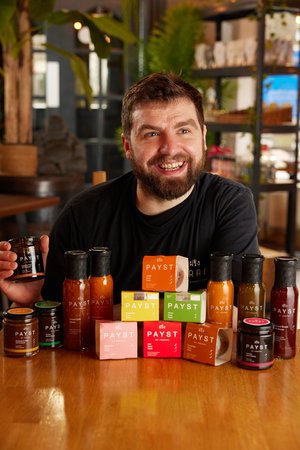
Head chef & founder of Farang London restaurant. Cookbook author of ‘Cook Thai’ & ‘Thai in 7’. Chief curry paste basher and co-founder of Payst London.