
Thai Curry Pastes: Every Type Explained
Thai Ingredients
In Thai: prik gaeng
Every Thai curry starts with a paste: chillies, roots, aromatics and spices pounded into something fierce. Get the paste right and the curry nearly makes itself.
- Tastes like
- Hot, aromatic, savoury, intense
- Find it
- Supermarkets, Asian grocers, Payst
- Swap
- Make your own
What it is
Prik gaeng means curry chillies, and that’s where every paste starts. Around the chillies go lemongrass, galangal, garlic, shallots, coriander root, often makrut lime zest, krachai or turmeric, toasted spices, and usually shrimp paste for depth. It’s pounded or blitzed into a thick, fragrant paste, then fried before the liquid goes in.
Pounding by hand is the traditional way, and a blitzed paste never comes out quite the same. This is home cooking, though, and a food processor is far quicker. I don’t blame anyone for using one.
The main pastes
| Paste | What makes it | Classic curry |
|---|---|---|
| Red | Dried red chillies | Red curry, panang, fishcakes |
| Green | Fresh green chillies, raw | Green curry, often the hottest |
| Yellow (gaeng gari) | Turmeric, roasted shallots and garlic, a few chillies | Mild, golden yellow curry |
| Massaman | Dried spices like cinnamon, cardamom and cloves | Rich massaman with potatoes and peanuts |
| Panang | Red paste, often with peanuts | Thick, rich, drier curry |
| Jungle | Lots of chillies, krachai, no coconut | Fierce, brothy jungle curry |
| Hung lay | Northern spices and ginger | Chiang Mai pork curry, no coconut |
Green and red are close cousins. Red uses dried red chillies, green uses fresh green bird’s eye, which actually makes a proper green curry the hotter of the two. My guide to mastering curry paste and the green curry deep dive go further.
Making your own
Start with the dried chillies: snip, deseed and soak them. Toast and grind the dry spices before the mortar gets wet. Chop everything as small as you can. Then pound the toughest things first, lemongrass and galangal with a pinch of salt as grit, and work through to the soft, wet ones, garlic, shallot and shrimp paste, last. Stir in the ground spices at the end.
Using a food processor? Add things in the same order, tough ones first, and scrape down often. My curry paste skill has the full method, and cooking a curry picks up from there.
Shop-bought pastes
For days when you’re short of time, a good shop-bought paste is fine. They vary a lot in salt and heat, so add less than the jar says, taste, and season the curry at the end rather than the start.
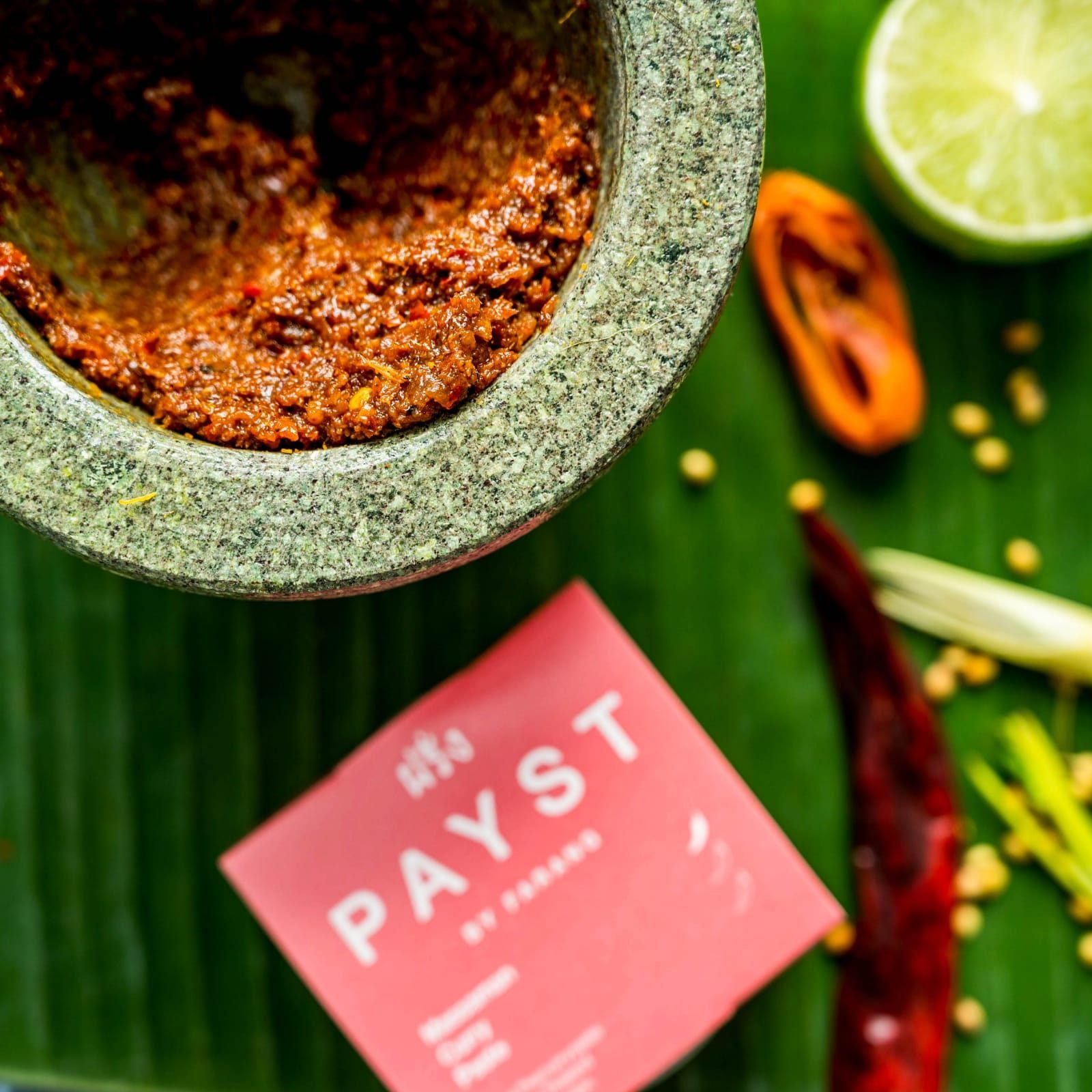
Payst, the paste company I run with my brother, makes fresh pastes by hand at Farang, the same way we make them for the restaurant. Our hung lay paste won a Great Taste Golden Fork. You can find them at payst.co.uk.
Storing paste
Press cling film onto the surface of fresh paste to keep the air off, as it darkens and dulls quickly. Chilled, it stays fresh for about a week. For longer, freeze it flat in a bag and snap off what you need.
Vegan curry paste
Most pastes, homemade and shop-bought, contain shrimp paste or fish sauce, so check the label. Making your own, leave the shrimp paste out and season the curry a little harder with seaweed sauce or a pinch of extra salt to make up the depth.
Quick answers
What is the difference between red and green curry paste?
Red uses dried red chillies, green uses fresh green chillies. Otherwise they’re very similar, and green is often hotter.
Which Thai curry paste is the mildest?
Yellow and massaman are usually the mildest.
Is shop-bought curry paste OK?
Yes, a good one is fine. They vary in salt and heat, so add less, taste and season at the end.
How long does homemade curry paste last?
About a week in the fridge with cling film pressed on top, or months frozen.
Is Thai curry paste vegan?
Usually not, as most contain shrimp paste or fish sauce. Make your own without, or check the label.
Should you fry curry paste?
Yes. Fry it in oil or cracked coconut cream before adding liquid. Raw paste tastes harsh.
Further reading: Michelin Guide red curry paste recipe.
More from the Thai larder
Every ingredient I cook with, explained: what it is, where to find it and what to use instead.
All Thai ingredients, A to ZGet my free Thai Pantry guideSubscribe and new recipes, articles and guides land in your inbox as soon as they go up.
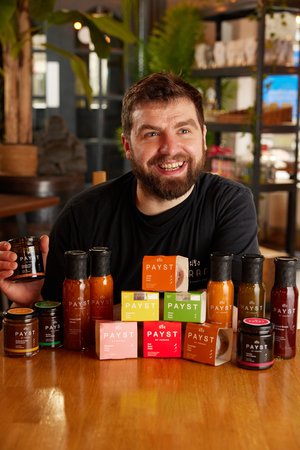
Head chef & founder of Farang London restaurant. Cookbook author of ‘Cook Thai’ & ‘Thai in 7’. Chief curry paste basher and co-founder of Payst London.