
Mastering Thai Curry Pastes: A Chef's Guide to Authentic Flavours
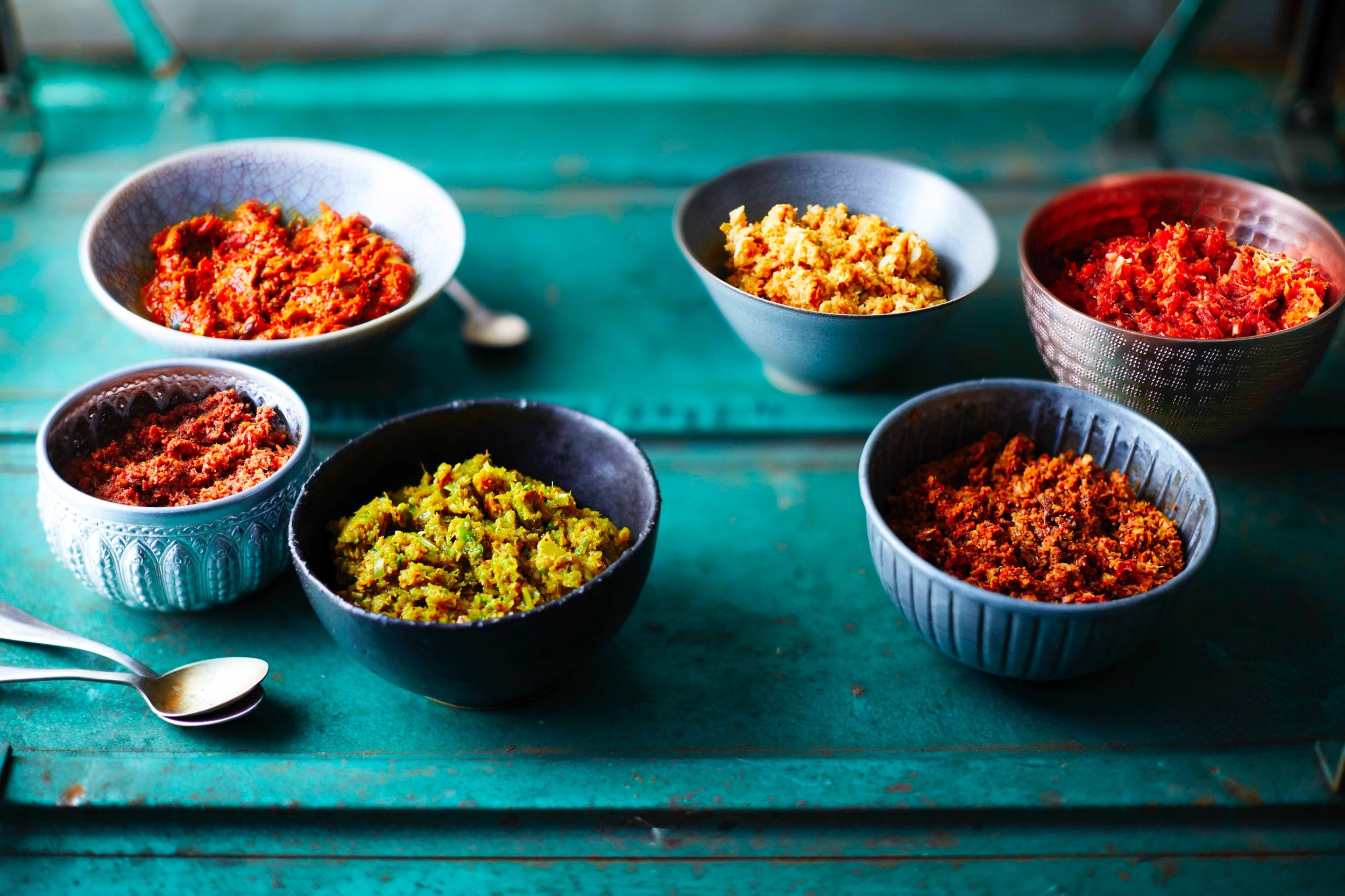
The first thing you learn about curry paste is that it takes longer than you think. The second thing is that your arm will hurt. The third is that it's worth it by a distance that makes every other shortcut in cooking feel trivial.
At Farang we make our pastes fresh, in the mortar, every service. The paste carries the spicy foundation of a dish. The other three of the four S's, sweet, salty and sour, get built around it. Get the paste wrong and nothing that follows can save you.
You can buy curry paste. I sell it through Payst and it's good. But understanding how to make it yourself changes how you think about Thai cooking entirely. The process teaches you why each ingredient is there, what it's doing, what the paste is supposed to smell and feel like at every stage. You can't learn that from a jar.
The aromatics come first. Lemongrass, galangal, krachai (wild ginger), makrut lime leaves, the zest of whole makrut limes, and Thai shallots: those tiny purple ones that make you cry twice as much as regular onions. These are the back note, the fragrance underneath everything. Use them fresh. Dried lemongrass is not the same thing.
Then the chillies, and this is where people get into trouble. There are two types working in most Thai curry pastes. Bird's eye chillies, which we call scuds in the industry after WW2 bombers, because they hit you the same way, and long red chillies. The scuds give you that immediate, sharp, frontal heat. The long chillies give you a slower burn and the colour. Most pastes run at a ratio of two long chillies to one scud. Start there and adjust to your tolerance. Remember you can add heat later. You cannot take it out.
Dried chillies need to be soaked until properly soft before they go in. This is not optional. Undersoaked dried chillies are the most common mistake I see. They stay fibrous, the paste never comes together cleanly, and the flavour doesn't fully release.
The foundations: garlic, shrimp paste, sea salt. Garlic goes in later in the process than most people expect. Shrimp paste and salt go in last, because they bind everything and dissolve quickly. Add them too early and the texture suffers.
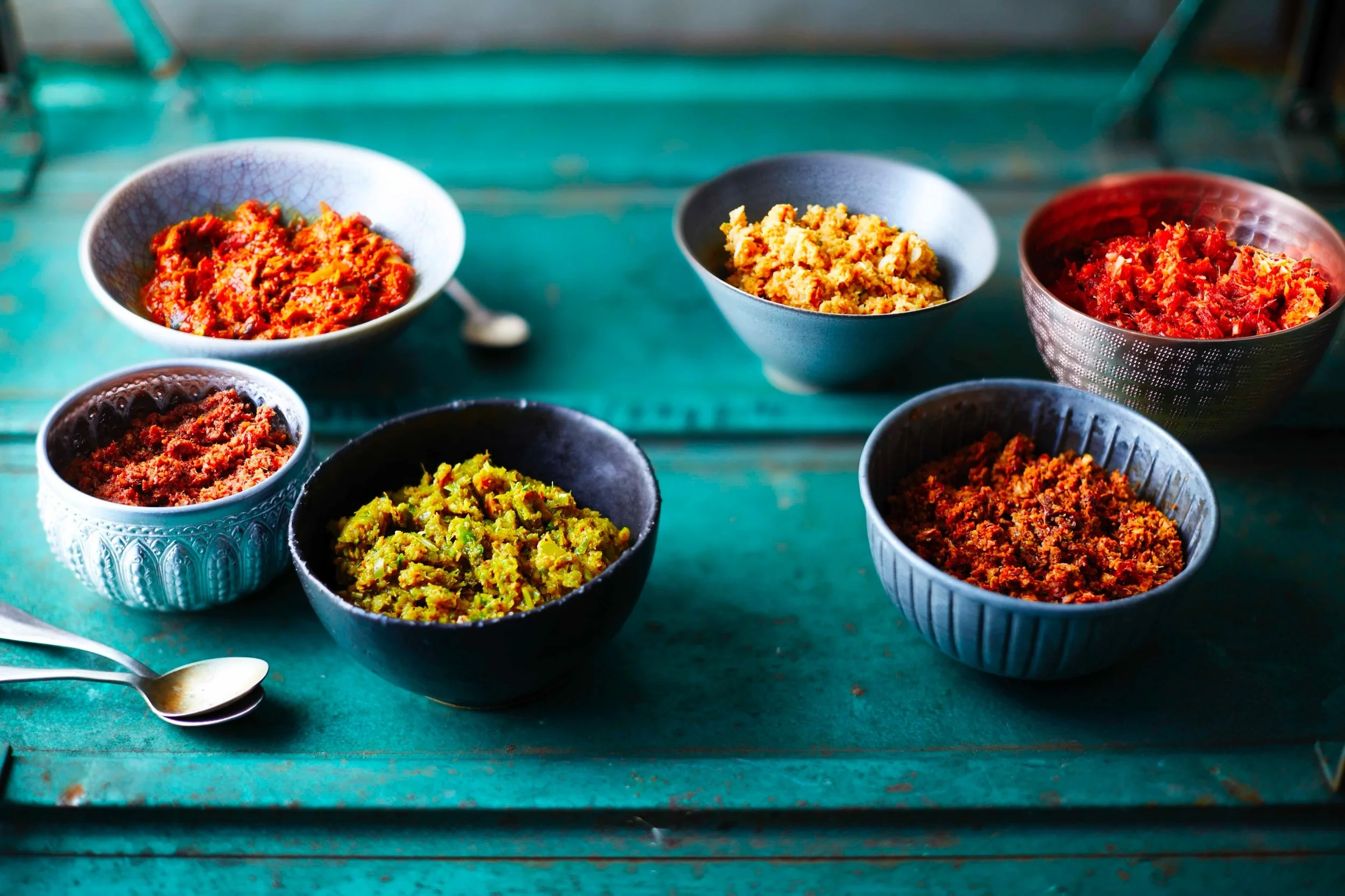
Two ingredients people constantly overlook. Coriander root: not the leaves, the root. Stop throwing it away. The root has a depth the leaves don't come close to. And white peppercorns, freshly crushed, not pre-ground. Pre-ground white pepper sitting in a jar for three months is adding nothing. Freshly crushed is a different ingredient entirely.
For the dry spices: coriander seeds, cumin, white peppercorns, fennel seeds (particularly good in fish curries). For more complex pastes: black cardamom, Thai cardamom, mace, a touch of nutmeg, cassia bark. Toast everything before you grind it. Dry pan, medium heat, until the aroma fills the kitchen. Watch them. There is nothing worse than burnt spices. At Farang we toast fresh every morning and the smell is better than any alarm clock.
Grind your dry spices first, before wet ingredients go anywhere near the mortar. Keep a separate grinder for wet paste work. Nobody wants coffee that tastes of cumin. Learned that one the hard way.
The technique is a sequence, and the sequence matters. Start with the hardest things: lemongrass, galangal, coriander root. These take the longest to break down and need to go in while you still have energy. Pound until you can see the oils releasing, the paste shifting from dry and fibrous to something coherent. Then the chillies, then garlic and shallots. Shrimp paste and salt last. You're looking for a smooth, consistent paste that holds together. If your arm isn't aching, you're not doing it right. Twenty minutes of proper work minimum. If you're done in five, you've done it wrong.
Do not use a blender. You can, and the result will be somewhere in the vicinity of a Thai curry paste. But mechanical blending processes the ingredients differently to pounding. Pounding releases oils and breaks down cell walls in a way that creates a texture you can't replicate with a machine. At Farang, when we're making paste for Payst at volume, machines become necessary. For home cooking, the mortar and pestle is the honest tool.
The substitutions I see most often, and the ones that make me wince: ginger for galangal, lemon for lemongrass. I understand why. They're related, accessible, cheaper. But they're not the same. Galangal has a pine-like, almost medicinal sharpness that ginger doesn't. Lemongrass has a citrus-floral quality that lemon juice completely fails to capture. These aren't fancy ingredients for the sake of it. They're doing specific jobs, and a substitute doesn't do the same job.
Fresh paste keeps for about a month in the fridge. Freeze it in portion trays and it lasts three months. Homemade paste is more potent than anything shop-bought. Start with less than you think you need. Add more from there.
Farang is built on this. The Michelin Bib Gourmand, the Thai Select stars, the ten years of getting busier: none of it works without the paste being right from the start. It's not a detail. It's the whole thing.
If you want more of this, subscribe. New recipes and articles straight to your inbox, and my free Thai Pantry guide to get you started. Sign up here.
Visit us at faranglondon.co.uk. Sauces and pastes for cooking Thai at home at payst.co.uk.
For more recipes, signed copies of my cookbooks are available at Payst: Cook Thai and Thai in 7.
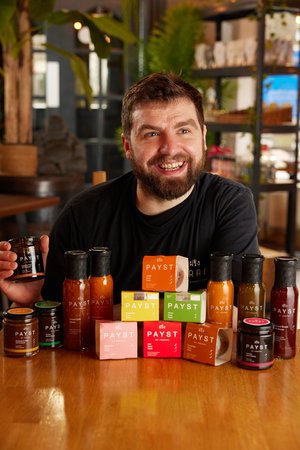
Head chef & founder of Farang London restaurant. Cookbook author of ‘Cook Thai’ & ‘Thai in 7’. Chief curry paste basher and co-founder of Payst London.