
From Farm to Farang: Our British Sourcing Story
The fishmonger texts me at dawn. Not every morning, but often enough that I check my phone before I've had a coffee. Sometimes it's a load of British mackerel just landed. Sometimes line-caught sea bass, something unexpected, something that changes the specials board entirely. That's what working with suppliers who care actually looks like. Not a brochure about provenance. A text at six in the morning.
Farang has always cooked Thai food with British produce. This wasn't a decision we made, or a response to anything. It was obvious. The best British pork is extraordinary. British fish, the mackerel off our coasts, the sea bass, the shellfish, is extraordinary. If you're building a restaurant around excellent cooking, why would you ignore excellent ingredients on your doorstep?
There's a version of this conversation that's very dull, full of talk about sustainability credentials and local supply chains. I'm not going to have it. What I'll say is this: good produce tastes better. British Tamworth pork from a farm where the pigs root and roam has a depth of flavour that commodity pork doesn't come near. When we stir-fry it with holy basil in Pad Kra Pao, that quality is in every mouthful. The cost is higher. The result is worth it.
Some things can't come from here, and I'm not interested in pretending otherwise. Galangal doesn't grow in Gloucestershire. You can't get makrut lime leaves at the right stage of growth from a Kent greenhouse. Fresh turmeric, proper lemongrass, cha plu, Thai basil: we import these weekly from Thailand. Not as a compromise. As a necessity. The technique demands the right ingredients, and cutting corners on the things that can't be substituted is not a trade-off I'm willing to make.
Everything else, we source as close as possible.
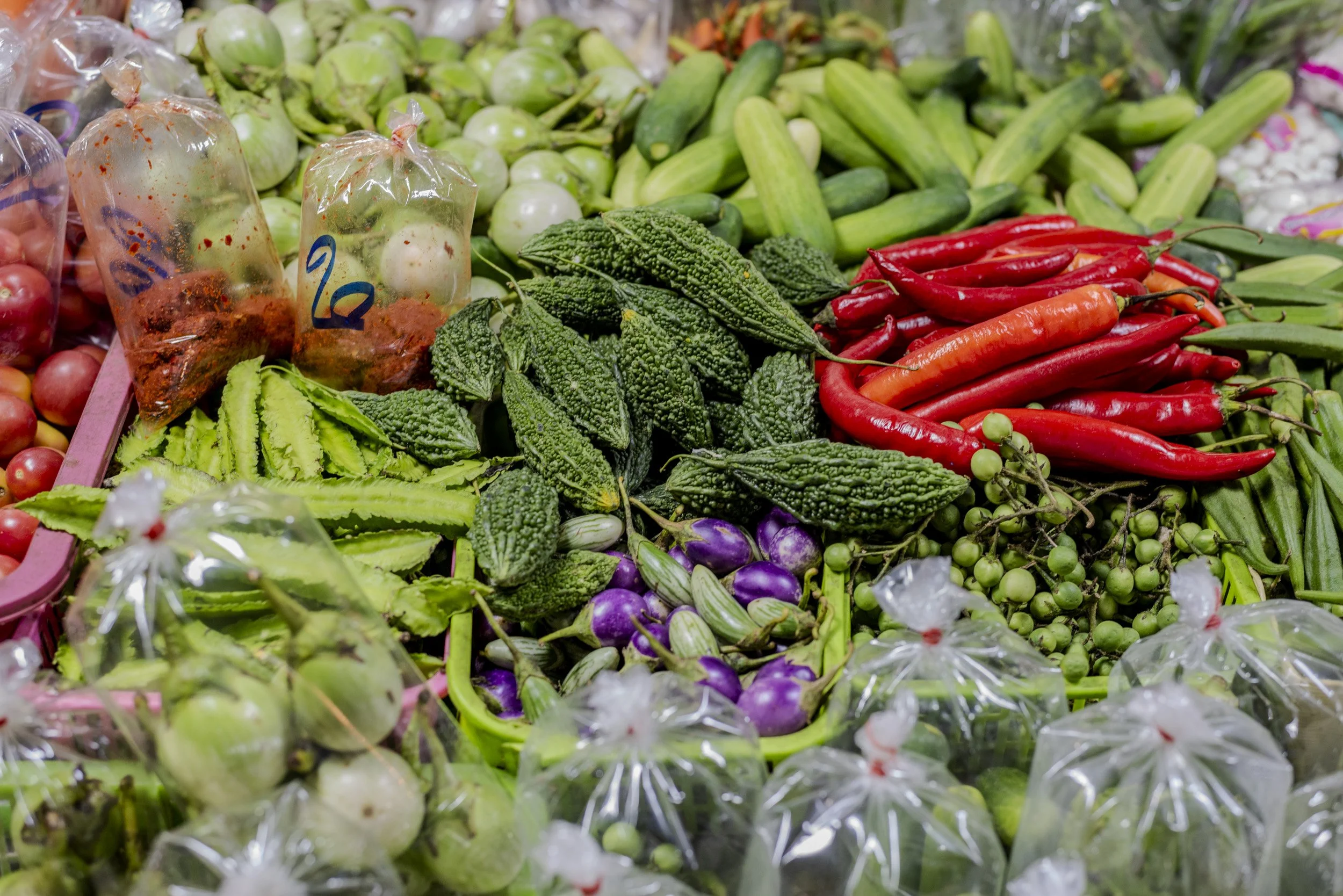
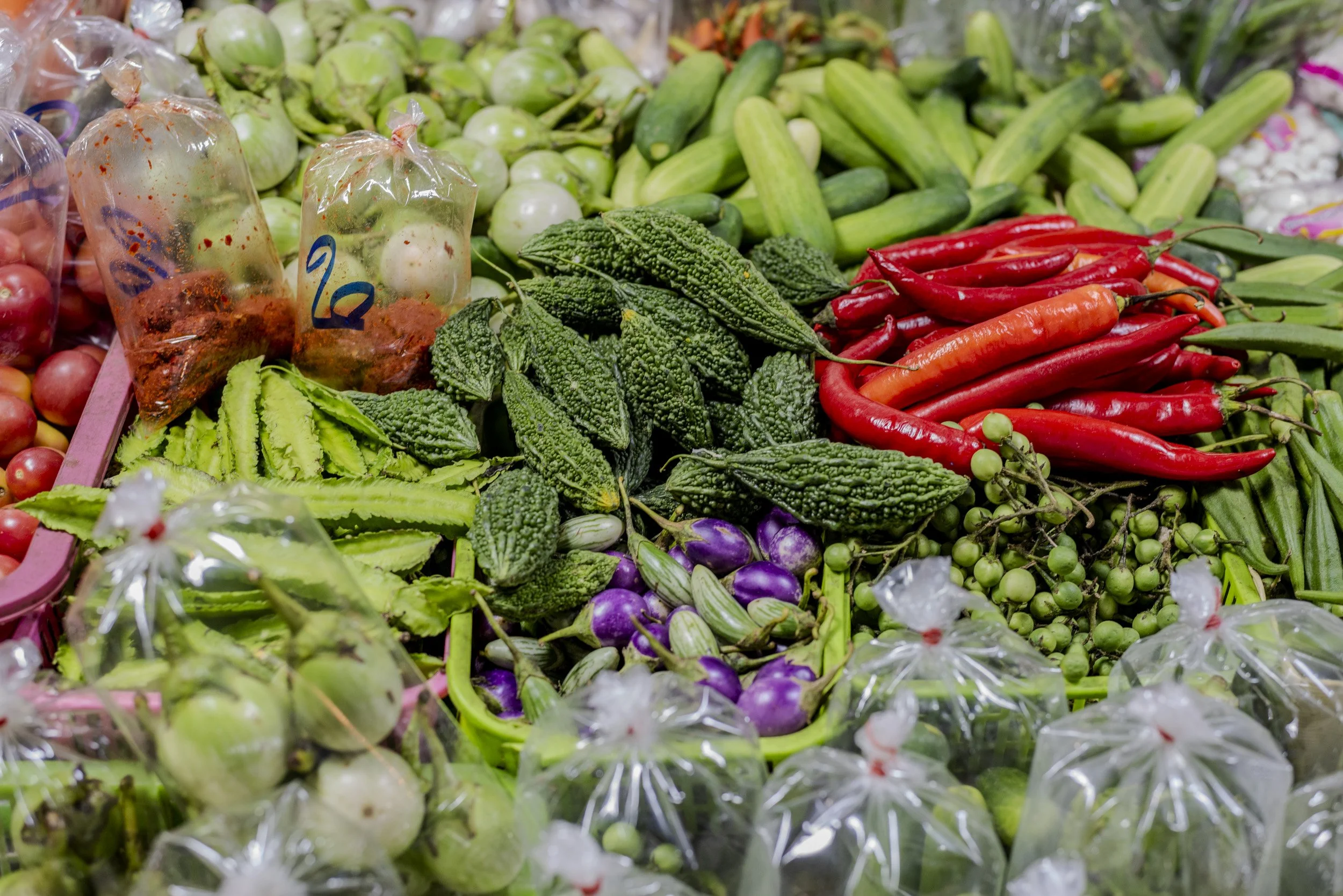
British seasons give you a problem to solve. Thai recipes were not written with British seasonality in mind, and some months are more cooperative than others. But that constraint produces things. Purple sprouting broccoli wasn't in the original brief for oyster sauce noodles, but when it's in season and at its best, it goes on the menu. It's sometimes better than Chinese broccoli. British cauliflower works in certain curry dishes in a way that surprises people who assume you can't substitute. Rainbow chard adds colour and a useful bitterness to a stir-fry at exactly the right moment in the cook.
This is not fusion. Fusion implies a crossing of wires, two cuisines meeting somewhere in the middle. What we do is different. The technique is Thai. The discipline is Thai. The balance, the four S's: sweet, salty, spicy and sour working together, is Thai. The produce is British because it's the best produce available to us.
Borough Market and New Covent Garden are part of how Farang works. Walking through early in the morning, seeing what's arrived, what's at its peak, what a farmer has brought up from the West Country overnight: that shapes the menu in ways that a fixed supplier list never could. You can plan the week, and then you see something at a stall that changes everything.
British farming has had a difficult few years. The costs, the weather, the way Brexit reshaped the fishing industry in ways that are still playing out. The suppliers we work with are under real pressure. We try to be predictable customers for them: regular orders, working with seasonal surpluses, doing what we said we'd do. That's not complicated but it matters.
The pork is still from the same farm. The fishmonger still texts at dawn. The galangal still comes from Thailand.
Farang is nearly ten years old. This is still how it works.
If you want more of this, subscribe. New recipes and articles straight to your inbox, and my free Thai Pantry guide to get you started. Sign up here.
Visit us at faranglondon.co.uk. Sauces and pastes for cooking Thai at home at payst.co.uk.
For more recipes, signed copies of my cookbooks are available at Payst: Cook Thai and Thai in 7
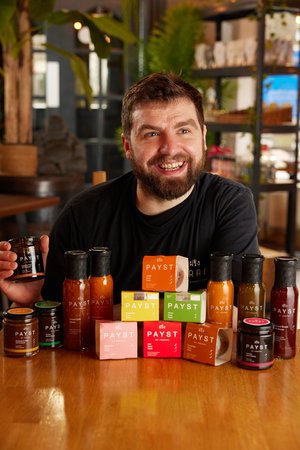
Head chef & founder of Farang London restaurant. Cookbook author of ‘Cook Thai’ & ‘Thai in 7’. Chief curry paste basher and co-founder of Payst London.