
The Rise of Chilli Culture in the UK
Britain's relationship with chilli used to be simple. There was curry, which came in mild, medium or hot, and there was vindaloo, which existed as a dare. The gap between those two things was where most people lived, and nobody spent much time thinking about it.
Then came the heat challenge era. The Hot Ones YouTube show, where celebrities get interviewed while eating progressively hotter wings, has over twenty million subscribers. Ghost pepper crisps appeared in Tesco. Naga challenges became a Friday night sport at curry houses. Chilli festivals spread across the country built around the same principle: how much can you handle?
That's not what chilli is for.
In Thai cooking, chilli does a specific job. It's one of the four S's: sweet, salty, spicy and sour, all working together. Pull any one too far and the dish loses its coherence. The spice isn't the point. The balance is the point. A properly made Thai red curry should make you feel warm, awake, present. Not regretful.
Different chillies do completely different things, and knowing which one you're using and why is where serious cooking starts. Bird's eye chillies give you immediate frontal heat: it arrives fast and fades quickly. Long red chillies give a slower burn and the colour. Dried chillies, soaked and pounded into a paste, develop a deeper, smokier heat that fresh chillies can't produce. Roasted dried chillies used whole in a broth add a background warmth you feel rather than taste. Nam prik, the Thai chilli dipping sauce, uses a combination of dry-roasted and fresh chillies precisely because layering heat sources creates something more complex than any single chilli can produce alone. They're all doing different jobs. Using the wrong one isn't just a heat problem. It's a flavour problem.
Chillies arrived in Britain via the Columbian Exchange, which carried them out of the Americas and across the world from the sixteenth century onward. What took considerably longer was any understanding of them. For decades the dominant approach was direct: add chilli to indicate spice, reduce chilli to make things accessible. The nuance came later.
What I notice most clearly from the pass at Farang is that customers have started asking different questions. Ten years ago, a table sending back a dish for being too hot would frame it as the dish being wrong. Too spicy, as though the heat were a mistake. Now the same conversation sounds different. People say "that's too hot for me", which acknowledges the heat was intentional. They've moved from treating chilli as an error to treating it as an ingredient. That shift sounds small. It isn't.
The British artisan hot sauce market has grown significantly over the past decade. A decade ago the shelf was dominated by industrial brands. Now there are serious small producers making fermented sauces, smoked varieties, products with complexity that have nothing to do with competitive eating. The consumer moved first, and the product followed.
Heritage chilli variety growers, people asking about Scoville ratings the way they might ask about tannins in wine, festivals with education alongside the eating challenges: all of it reflects the same shift. Chilli as something to understand rather than just endure.
The question I get asked most about chilli at Farang used to be "how hot is it?" Now it's "what kind?" People want to know if it's bird's eye or long red, if it's in the paste or added fresh or whole in the broth. What it's actually doing in the dish. That's a completely different conversation from anything I was having ten years ago.
Chilli in Britain is no longer just a dare. It took a while, but we got there.
If you want more of this, subscribe. New recipes and articles straight to your inbox, and my free Thai Pantry guide to get you started. Sign up here.
Visit us at faranglondon.co.uk. Sauces and pastes for cooking Thai at home at payst.co.uk.
For more recipes, signed copies of my cookbooks are available at Payst: Cook Thai and Thai in 7
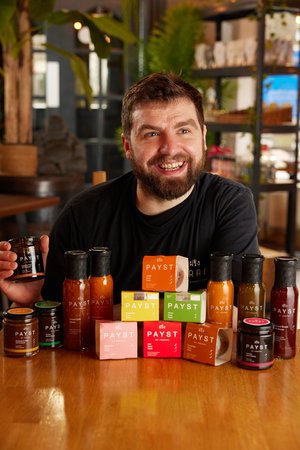
Head chef & founder of Farang London restaurant. Cookbook author of ‘Cook Thai’ & ‘Thai in 7’. Chief curry paste basher and co-founder of Payst London.