
Navigating the World of Negative Customer Reviews in Restaurants: A Chef's Perspective
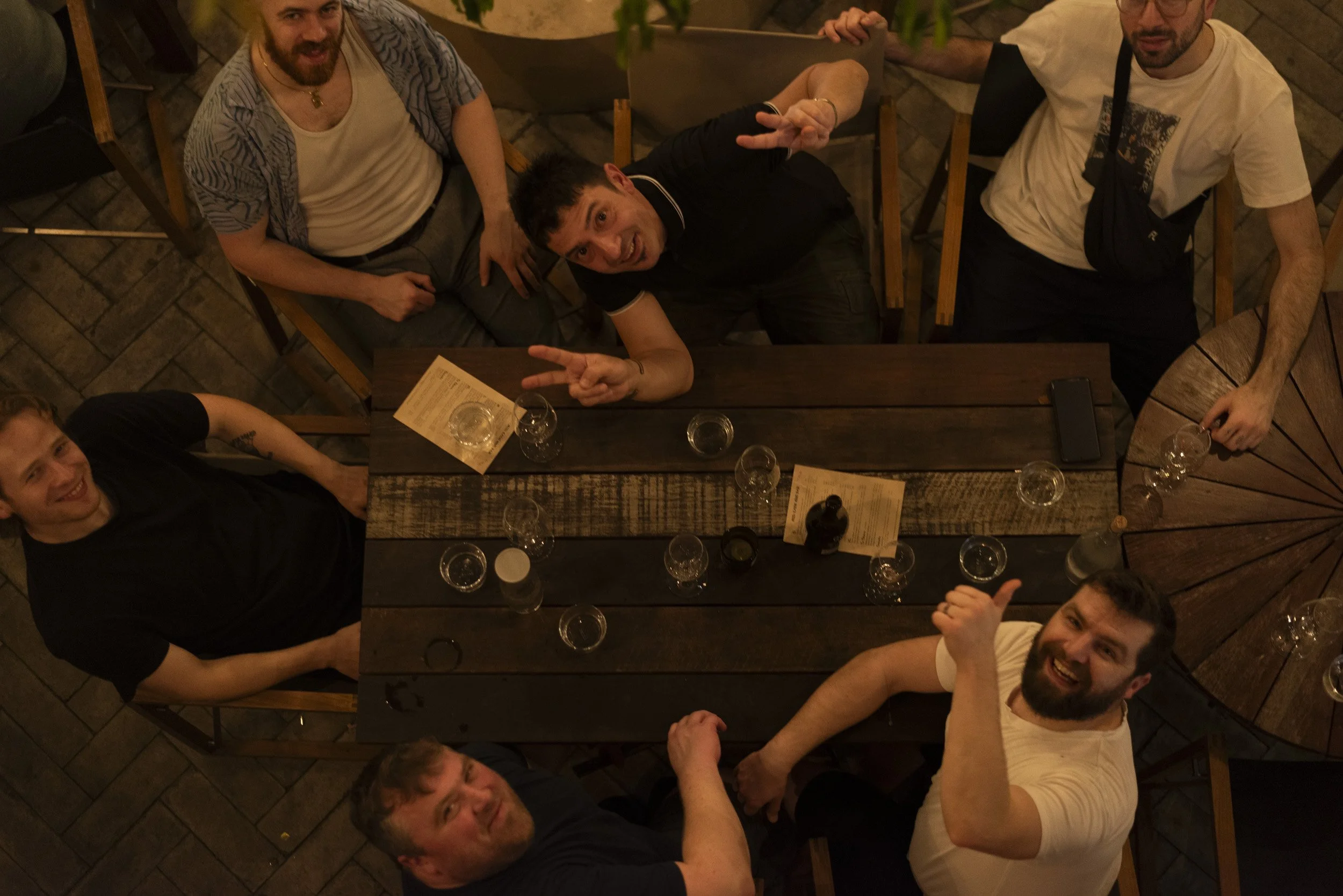
We got a one-star review last year from someone who never made it past the front door. They'd tried to walk in on a Friday night without a booking, the restaurant was full, we had nothing available, they left. Half an hour later: one star. "Wouldn't seat us. Very rude." Our front of house had been completely polite. The food was irrelevant. We'd never met.
That review sat on our Google profile for six weeks before we got it removed.
This is the world Farang operates in, and every restaurant in the country operates in the same one. TripAdvisor, Google Reviews, the platforms where anyone with a phone and a grievance can publish a permanent record of an experience, real or otherwise. Most of the time, the system reflects what actually happened. But the gap between most of the time and all of the time is where a lot of restaurant energy goes.
The review that's completely wrong is the most infuriating but also the least useful. The walk-in who gives one star because the kitchen was closed. The table who ordered medium and complained it was too spicy. The guest who had a terrible journey, and took it out on us. These sting. They also don't tell you anything you can act on.
The review that's entirely right is the one that actually hurts. Someone says the service was slow on the 12th, and you were short-staffed on the 12th, and you know it, and they're correct. Someone says a dish was under-seasoned, and you remember that service, and they're right. Those are uncomfortable to read. They're also the ones worth reading properly, because they're the ones that improve the restaurant.
The difficulty is that both types arrive in the same format, with the same star rating, carrying the same weight in the algorithm. One is intelligence. One is noise. The job is to read them and know which is which.
My rule for responding is simple: keep it short, stay calm, don't argue. A defensive reply to a bad review does more damage than the review itself. Anyone reading the exchange sees a restaurant that can't take criticism. You acknowledge the specific issue if there's something genuine to acknowledge, you thank them for taking the time, and you move on. You do not write four paragraphs explaining why they're wrong. They might be wrong. It doesn't matter.
For reviews that breach the platform's own policies, the person who never visited, the competitor who's transparently astroturfing, flag them and wait. Google and TripAdvisor do remove them, but slowly, and only if the breach is clear. Keep evidence. Make the flag specific. Be patient.
The thing nobody talks about publicly is what a bad review does to the team. A chef who cooked all service reads at midnight that the food was disappointing. A front of house member who worked a difficult shift reads that the service was rude. These are people who care deeply about what they do and it lands harder than most people think. I don't let bad reviews sit unchecked in the team chat. If it needs addressing, it gets addressed properly, in person, in context. Not at midnight on a phone.
There's a version of this where restaurants could rate customers back, the way Uber drivers can rate passengers. A quiet, private system where the walk-in who screamed at the front of house gets a gentle flag before their next booking elsewhere. Not public. Just a heads-up between professionals. It won't happen. But the fantasy is understandable.
Farang has been open for nearly ten years. We have thousands of reviews and the vast majority are positive, because the vast majority of the time people have a good time. The bad ones are a small fraction of the whole. The ones that are completely deranged are a small fraction of the bad ones. That's the perspective that's easy to lose when a fresh one-star comes in at midnight.
Read it in the morning. Respond briefly if you're going to respond at all. Then go and cook.
If you want more of this, subscribe. New recipes and articles straight to your inbox, and my free Thai Pantry guide to get you started. Sign up here.
Visit us at faranglondon.co.uk. Sauces and pastes for cooking Thai at home at payst.co.uk.
For more recipes, signed copies of my cookbooks are available at Payst: Cook Thai and Thai in 7.
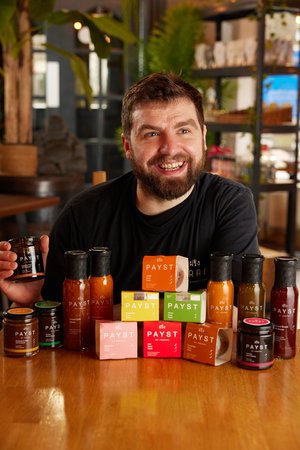
Head chef & founder of Farang London restaurant. Cookbook author of ‘Cook Thai’ & ‘Thai in 7’. Chief curry paste basher and co-founder of Payst London.