
How to Cook a Thai Curry

Kitchen Skills
Cooking a Curry
You’ve got the paste. Now what? How to turn it into a proper Thai curry: which liquid, what goes in when, how thick it should be, and how to season it so it tastes like the one you remember.

The paste is the flavour. The cooking is where most people lose it.

At a glance
From paste to bowl
- 1Crack the cream and fry the paste
- 2Season the base: palm sugar, then fish sauce
- 3Milk or stock in, then the meat and veg
- 4Herbs and final seasoning, off the heat
Know what you’re making
Not every curry is the same curry
Gaeng just means curry, and it covers a lot of ground. Know which kind you’re making before you start, because the method changes.
Coconut curries
Red, green, yellow, massaman. The paste is fried, the sauce is coconut milk, and they’re rich and rounded. Most of what Britain thinks of as Thai curry lives here.
Stock and water curries
Jungle curry, sour curry and most of the northern curries, like hung lay. No coconut, because coconuts don’t grow well in the north. The paste is often simmered straight in the stock instead of fried. Hotter, cleaner, more like a soup.
Thick and dry curries
Panang, choo chee and prik khing. Reduced right down until the sauce clings to the meat, or stir-fried with barely any liquid at all.
Thinner than you think
Most everyday Thai curries are closer to a soup than a stew. They’re spooned onto rice, and the rice drinks it up. If yours could hold a spoon upright, it’s gone too far.
The base
Cream, milk, stock or water
Pick the liquid to suit the curry and whatever’s going in it.
Coconut cream
The thick stuff from the top of the carton. It’s for frying the paste and for richness. More in my coconut milk guide.
Coconut milk
The body of the sauce. As a rough guide, a 400ml carton with 6 to 8 tablespoons of homemade paste makes a curry for three or four.
Stock
Chicken or pork stock for jungle curries and anything northern. Plenty of Thai cooks let coconut milk down with a ladle of stock too. You keep the richness without it turning heavy.
Water
Not a dirty word. A well-fried paste in water and fish sauce makes a good curry. A weak paste in the best stock in the world doesn’t.

Want it lighter? Use less coconut and more stock. Don’t buy the light stuff.

Never thicken a Thai curry with flour or cornflour. If it’s too thin, cook it down.
Step by step
Building the curry
Every coconut curry follows the same order. Learn it once and you can cook any of them.
- Fry the paste. Crack the cream and fry the paste in it until the oil turns red and the raw smell has gone. My curry paste guide has the detail.
- Season the paste, not the sauce. Palm sugar first, so it melts and catches a little, then fish sauce. Seasoning at this stage gets the flavour into the base.
- Coat the meat. Sliced chicken, pork or beef goes into the paste and gets stirred around for a minute before any liquid. It takes on the colour and the flavour.
- Liquid in, then simmer. Coconut milk or stock, brought up to a steady simmer, not a hard boil. A slick of red oil on top is good. A curry swimming in it has been boiled too hard.
- Veg in order. Hard veg first, quick veg later, leaves right at the end. The timings are on the next page.
- Finish it. Torn makrut lime leaves, Thai basil, sliced long red chilli or shredded krachai. My aromatics guide covers how to prep them. Heat off. Then taste it with rice.
Pea aubergines are bitter little things, and they’re meant to be. They’re there to cut through all that coconut.

Thai basil goes in last and gets about ten seconds of heat. Any longer and it turns black and tastes of nothing.
What goes in when
Match the cut to the cook
A great curry with dry chicken and mushy pumpkin is a bad curry. Get the timings right.
| Ingredient | Time |
|---|---|
| Chicken thigh, sliced | 8 to 10 minutes |
| Chicken breast, sliced | 5 to 6 minutes, then off the heat |
| Pork shoulder, sliced thin | 8 to 10 minutes |
| Prawns | 2 to 3 minutes, until just pink |
| White fish or fish balls | 3 to 4 minutes, stirred gently |
| Mussels | Until they open, about 4 minutes, lid on |
| Pumpkin, potato, sweet potato | 12 to 15 minutes |
| Thai aubergine, bamboo shoots, green beans | 3 to 5 minutes |
| Pea aubergines, morning glory, spinach | The last minute |
For braising cuts like beef cheek, shin or lamb shank, cook the meat low and slow in seasoned coconut milk or stock until it’s tender, then build the curry around it. That’s how I do my duck leg massaman.

Chicken thigh, every time. Breast is lovely for about two minutes, then it’s cardboard.
Cut everything to roughly the same size so it all cooks at the same rate. Restaurant kitchens are fussy about this for a reason.
Like a chef
Seasoning, thickness and the next day
The last five minutes decide whether it’s a good curry or a great one.
Season at the end, with rice
Taste it with a spoonful of rice, because that’s how it’ll be eaten. Red and green curries are salty and hot, gently sweet. Massaman and panang are richer and sweeter. Jungle curries barely touch sugar. More in balancing flavour.
Too thin, too thick, too much
Too thin, simmer it uncovered for a few minutes. Too thick, a splash of stock or water. Too rich and heavy, let it down with a little stock and add a squeeze of lime to cut through it. Too salty or strong, add more stock or coconut milk, a little at a time, to dilute the seasoning.
The oil on top
In Thailand a little red oil on the surface shows the paste was fried properly. Don’t skim it all off.
Better tomorrow
Most curries taste better after a few hours, once the flavours settle. Reheat gently, add fresh herbs again, and leave seafood out until you reheat.

A curry left to sit for an hour before dinner beats one served straight from the pan. Thai street vendors cook theirs in the morning for a reason.
Using a jar? Fry it with a fresh lime leaf and a bit of extra lemongrass. It wakes it right up.
Questions I get asked
Quick answers
How do you make Thai curry thicker?
Simmer it uncovered for a few minutes, or stir in a little more coconut cream at the end. Thai curries aren’t thickened with flour or cornflour.
Should Thai curry have oil on top?
A little red oil on top is a good sign. It means the paste was properly fried. If it’s swimming in oil, it was boiled too hard, so spoon some off.
How much curry paste do I use?
About 2 tablespoons of homemade paste per person in a coconut curry. Shop-bought pastes vary, so start with less and taste.
Can I make Thai curry the day before?
Yes, and most taste better for it. Reheat gently, add fresh herbs, and add any seafood only when you reheat.
What do I add to a Thai curry and when?
Meat goes in first to coat in the paste, then the liquid, then hard veg like pumpkin, then quick veg like beans, and leaves and herbs at the very end.
Tell me which curry you’re making and what’s in your fridge, and I’ll tell you what to put in it.
Now use it
Put it to work
The best way to learn a skill is to cook with it. Start with these, all from my recipe pages.
Further reading: How to make Thai coconut curry, Messy Vegan Cook · The anatomy of Thai curries, Food Republic
Keep going
Next skill: nahm prik, the relish at the heart of the Thai table. Haven’t made your own paste yet? Start with curry paste.
If you want more of this, subscribe. New recipes, articles and skills straight to your inbox, and my free Thai Pantry guide to get you started.
Sign up here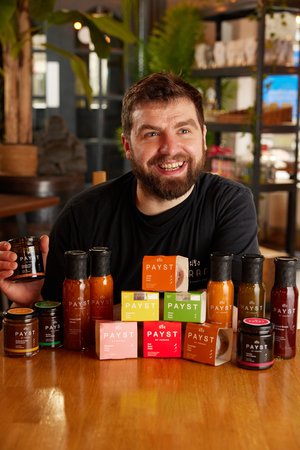
Head chef & founder of Farang London restaurant. Cookbook author of ‘Cook Thai’ & ‘Thai in 7’. Chief curry paste basher and co-founder of Payst London.