
How to Prepare Lemongrass, Galangal and Lime Leaves

Kitchen Skills
Lemongrass, Galangal & Friends
The smells that make Thai food taste Thai. How to buy them, which bit to use, how to cut them for a soup, a salad or a paste, and how to keep a stash in the freezer.

Nobody wants to chew on a lump of lemongrass. Prep it properly.

At a glance
Which bit does what
- 1Lemongrass: the pale bottom third does the work
- 2Galangal: sliced thin, it’s woody
- 3Lime leaves: tear for soups, shred for salads
The first one
Lemongrass
Citrusy, floral and a bit grassy. It goes in soups, curry pastes, marinades and salads.
Buying
Firm, pale stalks that feel heavy, with tight layers. Avoid dry, light, papery ones. Big supermarkets sell it in packs. Asian supermarkets sell bigger bundles for less, and frozen.
Which bit
The bottom third, the pale, slightly purple part, has the flavour. The green tops are tough and woody.
For soups and curries
Trim the root end, peel off a tough outer layer or two, cut into lengths and bash with the back of a knife to release the oils. It flavours the broth and gets left on the side of the bowl.
For pastes and salads
Peel down to the tender core and slice as thinly as you possibly can, across the grain. Thin rings soften. Thick ones are like eating twigs.
Lemongrass tea
The tops and outer layers, simmered in water with a bit of ginger. Don’t bin them.
This guide to lemongrass has good photos of each cut.

Bend a stalk. It should snap cleanly at the bottom. If it folds, it’s old.
The tough one
Galangal
It looks like ginger but tastes sharper, more peppery, with a piney edge. It’s the backbone of tom kha and most curry pastes.
Buying
Asian supermarkets, fresh or frozen. Look for firm, pale, smooth skin with pinkish shoots. Young galangal is juicier and easier to cut.
Prep
Scrape the skin off with a spoon or peel it. It’s hard, so use a heavy knife and slice it thinly across the grain.
In soups
Thin slices go in and stay in, but you don’t eat them. They’re too woody.
In pastes
Chop as finely as you can before pounding. It goes in early, with the lemongrass, because it takes the longest to break down.
Swap
Ginger, if you must, but it won’t taste the same. Dried galangal powder works in a curry paste in a pinch.

Galangal is hard. A cheap knife slips. Slow down and keep your fingers tucked.
The fragrant one
Makrut lime leaves
Double leaves, glossy and dark, with a smell that’s pure Thai food. You may see them sold as kaffir lime leaves, a name that’s rightly being dropped. Makrut is the Thai name.
Buying
Fresh in big supermarkets and Asian grocers. They freeze brilliantly, and frozen are nearly as good as fresh. Dried are a poor substitute.
For soups and curries
Tear them and drop them in, to flavour the broth. Fold each leaf in half along the spine and pull the stem away first.
For salads and garnish
Stack a few, roll them up tightly and slice into the finest threads you can, a chiffonade. Thick pieces are tough to chew.
The zest
Makrut limes themselves are knobbly and have very little juice. It’s the zest that goes into curry paste.

Keep a bag of lime leaves in the freezer at all times. You’ll use them more than you think.
And friends
Coriander root, krachai, turmeric and more
The rest of the cast.
Coriander root
The most flavourful part of the plant, and the supermarket cuts it off. Buy coriander from an Asian grocer with the roots on. Scrub them well, chop and pound into pastes and marinades. Swap: the bottom few centimetres of the stalks.
Krachai
Fingerroot. Clusters of thin brown fingers, earthy and slightly medicinal. In jungle curry and fish dishes. Often sold frozen or in jars. Swap: ginger.
Fresh turmeric
Bright orange inside, earthy and a little bitter. Wear gloves, or you’ll have yellow fingers until the weekend.
Thai garlic and shallots
Thai garlic cloves are small, mild and sweet, and so young their skins are thin enough to leave on. Regular garlic is much stronger, so use about a third as much. Thai shallots are small and pink. Banana shallots are the easiest swap.
Pandan
Long green leaves that smell like jasmine rice. Fresh or frozen. Knot one into rice as it cooks, or blitz with liquid and strain for desserts.
Thai basil, holy basil and lemon basil are three different herbs. Holy basil is for kra pao. Thai basil is for curries. Lemon basil is for soups and salads.
The freezer box
Keep a stash
Most of these freeze well, which means you’re never more than a few minutes from a Thai dinner.
Freeze them fresh
Lemongrass trimmed and cut into lengths. Galangal sliced. Lime leaves whole. Krachai and turmeric whole. All in labelled bags, used straight from frozen.
Fridge
Lemongrass and galangal wrapped in a damp sheet of kitchen paper in a bag keep for a couple of weeks. Lime leaves in a sealed bag for about a week.
The trimmings box
At the restaurant we keep a box in the freezer for the tough outer layers of lemongrass, galangal peel and lime leaf stems. Too woody to eat, but full of flavour for stocks and brines. Prawn heads and shells get a bag of their own for stock. It’s the start of cooking with less waste.
Nobody has ever regretted having a freezer drawer full of lemongrass.
Questions I get asked
Quick answers
How do you prepare lemongrass?
Trim the root and peel off the tough outer layers. For soups, cut into lengths and bash with a knife. For pastes and salads, slice the tender bottom third as thinly as possible.
Can I use ginger instead of galangal?
You can, but it tastes different: ginger is warm and sweet, galangal is sharp and peppery. Frozen galangal is a much better swap.
Can you freeze lemongrass, galangal and lime leaves?
Yes. All three freeze very well and can be used straight from frozen.
Do you eat the lemongrass and galangal in tom yum?
No. The big pieces are there to flavour the broth and are left on the side of the bowl.
What is the difference between kaffir and makrut lime leaves?
They’re the same leaf. Makrut is the Thai name and is now preferred.
Can’t find one of these? Ask me what to use instead.
Now use it
Put it to work
The best way to learn a skill is to cook with it. Start with these, all from my recipe pages.
Further reading: Lemongrass 101 · Makrut lime leaves 101
Keep going
Next skill: balancing Thai flavours. Put your aromatics into a curry paste or a batch of toasted rice powder.
If you want more of this, subscribe. New recipes, articles and skills straight to your inbox, and my free Thai Pantry guide to get you started.
Sign up here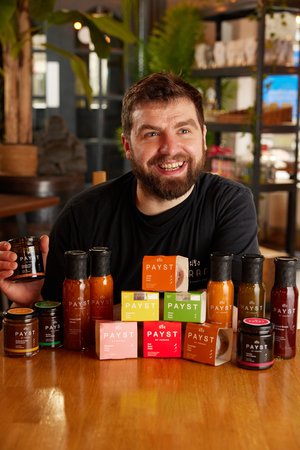
Head chef & founder of Farang London restaurant. Cookbook author of ‘Cook Thai’ & ‘Thai in 7’. Chief curry paste basher and co-founder of Payst London.