
Fat, Ginger and No Coconut: Gaeng Hung Lay, Chiang Mai’s Pork Curry
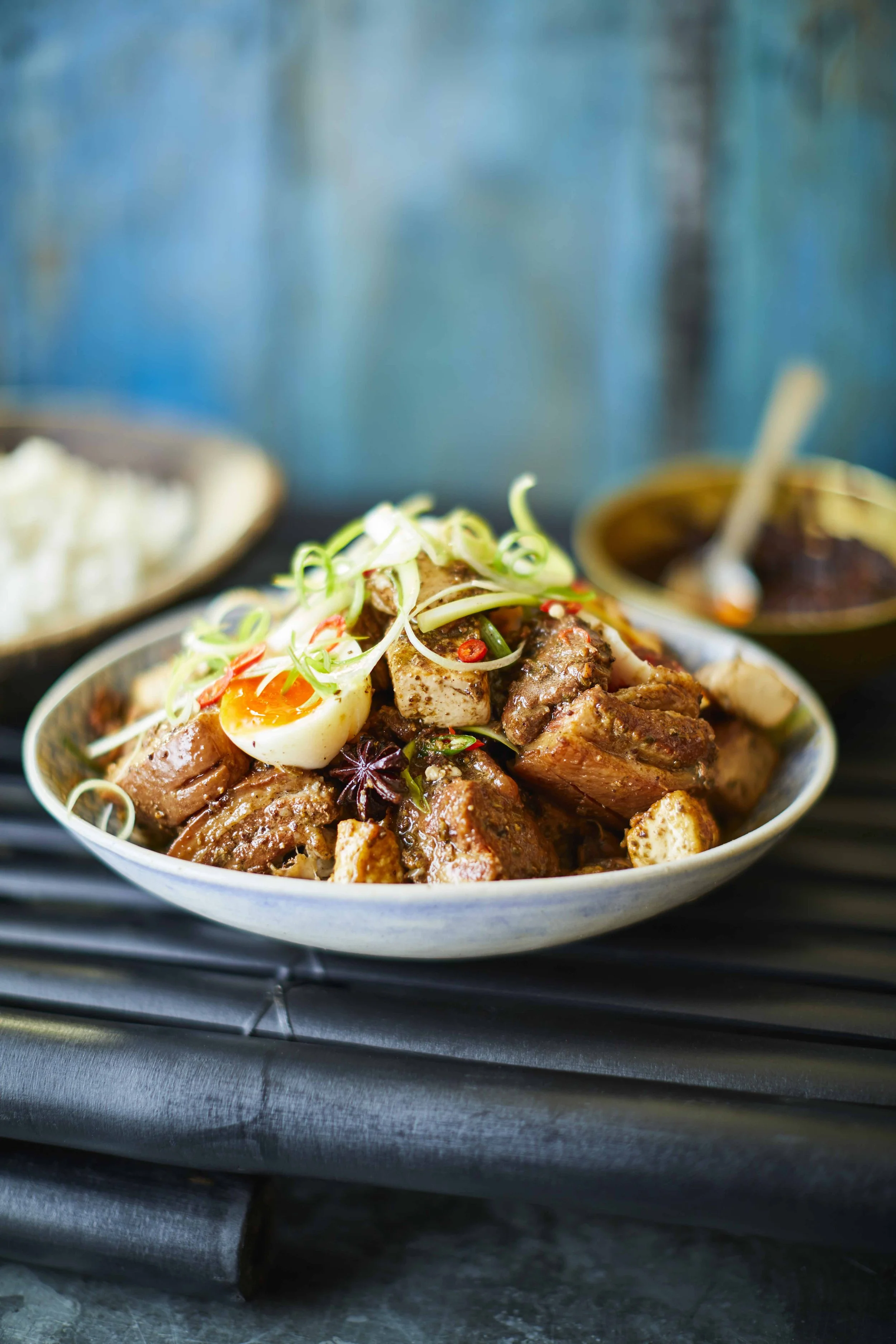
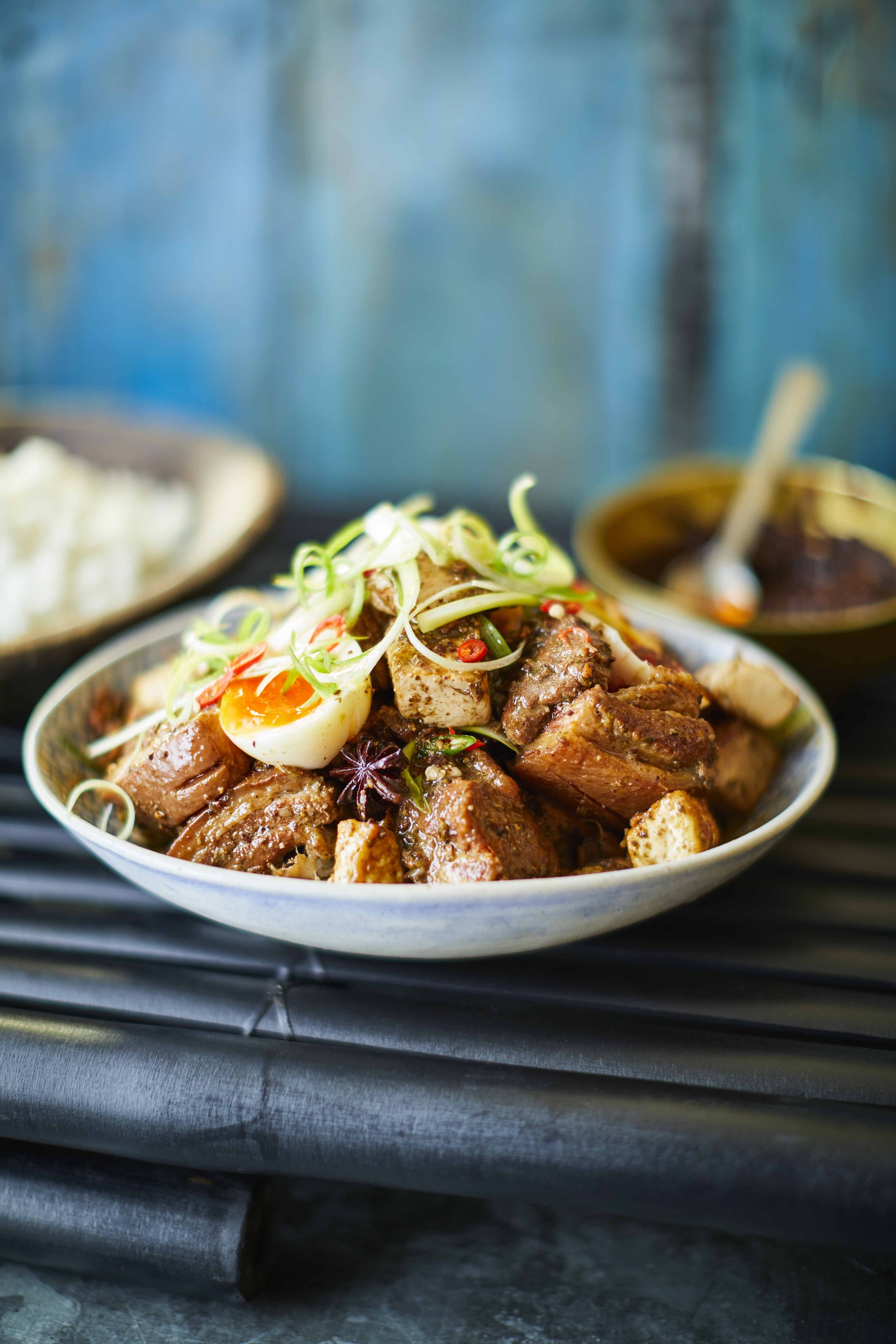
Last time I promised that after a whole article about a curry that politely avoids pork, the next one would be barely anything else. Here it is. Gaeng hung lay is a northern Thai curry built on big slabs of pork belly, braised until the fat goes soft and wobbly and the whole pot turns the colour of an old leather armchair. There’s no coconut milk. There’s no basil. What there is, is ginger. Fistfuls of it, cut into matchsticks and dropped in near the end, so every mouthful has a hot, clean bite that cuts through the fat like a cold pint after a Sunday roast.
In Chiang Mai it’s held up as the city’s answer to Bangkok’s green curry. Over here most people have never heard of it, and the few who have assume it’s a typo. Which is a shame, because it’s one of the best things you can do with a pig.
I’ve eaten more of it in Thailand than I could count, usually pork belly, sometimes pork ribs, and never once with coconut milk. We also make a hung lay paste at Payst, and this September it won a Great Taste Golden Fork, which is basically the food Oscar. The full story of how that Golden Fork happened is on the site. So I’m not neutral. I’ve kept the facts to people who don’t sell the stuff.
Start with the name, because nobody agrees how to write it. Gaeng hung lay, gaeng hang lay, kaeng hang le. Gaeng means curry. The rest is murkier, and I haven’t found a source I’d trust that pins down exactly what hung lay means. What I can tell you is that across the border there’s a Burmese pork curry called wet tha hin lay. Say that out loud next to hung lay and draw your own conclusions.
It’s a braise more than a curry, in the way most people use the word. The Bangkok Post calls it “a rich and creamy ginger and turmeric based curry”, and the creamy part comes from rendered pork fat, not coconut. The spice is the other giveaway. Hung lay powder is a dried blend of warm spice, cinnamon, cardamom, cumin, coriander, star anise, cloves and nutmeg among them, and garam masala will stand in for it at a push. That tells you which direction this curry came from.
It came over the mountains, but nobody can agree whether it marched or walked.
The first story is war. Legend has it that the curry arrived after years of war with Burma, and the Burmese did occupy northern Thailand from 1558 to 1775. Two hundred years is plenty of time to leave a curry behind.
The second story is work. A likelier ancestor is a mild Burmese meat curry, probably brought by the Shan, the Tai Yai people who live on both sides of the border. In the late 19th and early 20th centuries, Shan workers came to Chiang Mai to cut teak for British logging companies. The city also sat on a land route used by Chinese Muslim traders from Yunnan, and an Indian migrant opened its first shop selling imported dried spices. Put that lot in one town and a curry like this more or less writes itself.
Plenty of accounts split the difference and credit both the invasions and the migrations. I’d back that. Armies leave scars. Cooks leave recipes.
Here’s where people go wrong, and I only found out after we started selling the paste. They see the word curry and reach for a tin of coconut milk. Stop. I’ve never been served it that way in Thailand, and it doesn’t need any, because the richness comes from the pig. Add coconut and you’ve got a confused korma with a pork problem.
The second mistake is cooking it like a Bangkok curry, where the paste gets fried on its own before anything else goes in. Up north it’s closer to a one-pot job. The cookbook writer Naomi Duguid points out that Shan curries and gaeng hung lay simmer the meat and paste together until the oil rises. Even recipes that brown the pork first keep to the spirit of it, searing the belly in a dry pan and frying the paste in the pork’s own rendered fat rather than oil.
Then give it time. Forty minutes is the bare minimum, and most of the recipes I’d trust go closer to two hours. If a fork doesn’t slide through the fat like it’s not there, it isn’t done.
Then the seasoning, which is where I part company with some very good cooks. Pailin Chongchitnant of Hot Thai Kitchen says the tamarind is there because it brightens the curry and cuts the richness, not to make it tart. Jet Tila talks up its “crave-worthy sourness”. I’m in Tila’s camp. I go heavy on the tamarind and heavy on the fish sauce, because a curry this fatty needs something to push against, and a timid hung lay is just pork in gravy. Then make it a day ahead, because it’s better for the wait. My gaeng gatti beef cheek curry works on the same patience.
How many versions are there? According to the food writer Robyn Eckhardt, there are “as many versions of this dish as there are northern Thai cooks”. Some use soy, some use shrimp paste, and some swap the chillies for black peppercorns. Most of the difference comes down to the cut and the sharp stuff.
Pork belly is the classic, but plenty of cooks hedge their bets. Some mix belly with shoulder for more meat and less wobble. Others go all fatty shoulder and skim half the fat once it’s cold, and plenty throw ribs in with the belly. The bones make it. Pork is the default for a reason, but the same sauce is very good with beef, and does a decent job on chicken thighs too.
Then there’s the garlic. Pickled garlic is common, and one recipe I like uses 30 cloves of it, plus a splash of the pickling liquid to season the sauce at the end. Peanuts are where cooks split. Plenty leave them out. I put them through mine, because after a long braise they soften into something closer to a bean than a nut, and they soak up the sauce. Some cooks add chunks of pineapple to offset the richness of the pork.
Round the edges there are a few more. Austin Bush includes two versions in his book on northern Thai food, one of them Shan style, built on turmeric and shrimp paste. And when the pot’s nearly empty, the leftovers become gaeng ho, stir-fried with glass noodles, lime leaves, bamboo shoots and lemongrass. Gaeng ho is basically bubble and squeak with better manners.
Is it regional? Completely. This is northern Thai food, and the differences inside the north follow the people who brought it. Chiang Mai claims it as its own. Mae Hong Son, up on the Burmese border, is Shan country, and the Shan shape the cooking there. Cross the border into Myanmar and you’re back to the cousin, wet tha hin lay, made with shrimp paste and roselle leaves, or green mango, wild plum or tamarind when there’s no roselle about. Same idea, different sour, depending on what grew nearby.
In Thailand this isn’t a Tuesday night curry. It’s holiday food, for weddings and housewarmings, the big pot that gets made when the family turns up. It goes with rice, steamed jasmine or sticky. The Shan way is plain long-grain rice and a dish of boiled green beans, and a little goes a long way, because it’s meant to be rich. Finish it with more fresh ginger on top. It’s said to keep for a week in the fridge. It won’t last a week. If I were building a northern table, I’d put it next to a laap and let the sour herbs do the cutting.
Strip gaeng hung lay back and it’s a set of rules. Pick a fatty cut that wants a long, slow braise. Season it with warm dried spice of Indian descent, pounded into a northern paste of dried chilli, lemongrass, shallot, garlic, galangal and shrimp paste. Let the fat be the richness, with no coconut. Finish with something sharp and fruity, and with fresh ginger and pickled garlic for bite. Then wait a day.
I don’t make a British version. Mine is pork belly, pickled garlic, peanuts and a heavy hand with the tamarind and fish sauce, and I’ve never felt the need to fiddle with it. But read those rules back and it’s a British winter in a pot, so here are a few ideas if you want to play.
The pig first. A rare-breed belly like Gloucester Old Spot or Tamworth has the thick fat layer this curry was built for, and pig’s cheeks would braise down beautifully for anyone who finds belly a bit much. Ox cheek would take the same treatment, since the sauce already gets on with beef.
The sour is where it gets interesting. The Burmese cousin uses whatever sour fruit is to hand, which gives us licence. A Bramley apple collapses into a sauce the way pineapple does, and it’s sharper. In autumn, a handful of damsons stirred in at the end would bring tartness and a deep purple colour, and anyone near the coast could try a little sea buckthorn juice.
For the garlic, come spring, pickled wild garlic bulbs would do what the Thai pickled garlic does, with a greener, sharper edge. The ginger stays as it is. Nothing we grow does that job, and this curry without it is just stew.
Farang means foreigner, we cook for flavour not authenticity. Gaeng hung lay might be the best argument for it in the whole of northern Thai cooking. It’s a Burmese idea with Indian spice, cooked by Shan teak cutters and made famous by Chiang Mai, and nobody up there loses sleep over which bit is authentic. You can taste how we cook with that freedom at Farang, and if you want a head start at home, our Golden Fork Hung Lay paste does the pounding for you. Just leave the coconut milk in the cupboard.
Next time we’re staying in Chiang Mai for khao soi, the curry noodle soup that has more in common with this one than you’d think.
Further reading: Melting pot spices in the South China Morning Post, Andrea Nguyen’s Kaeng hang lay Tai at Viet World Kitchen, and Austin Bush’s book The Food of Northern Thailand.
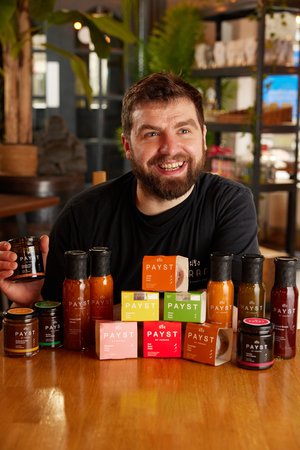
Head chef & founder of Farang London restaurant. Cookbook author of ‘Cook Thai’ & ‘Thai in 7’. Chief curry paste basher and co-founder of Payst London.