
Stir-Fried Beef with Roasted Chilli Jam, Shallots & Kale
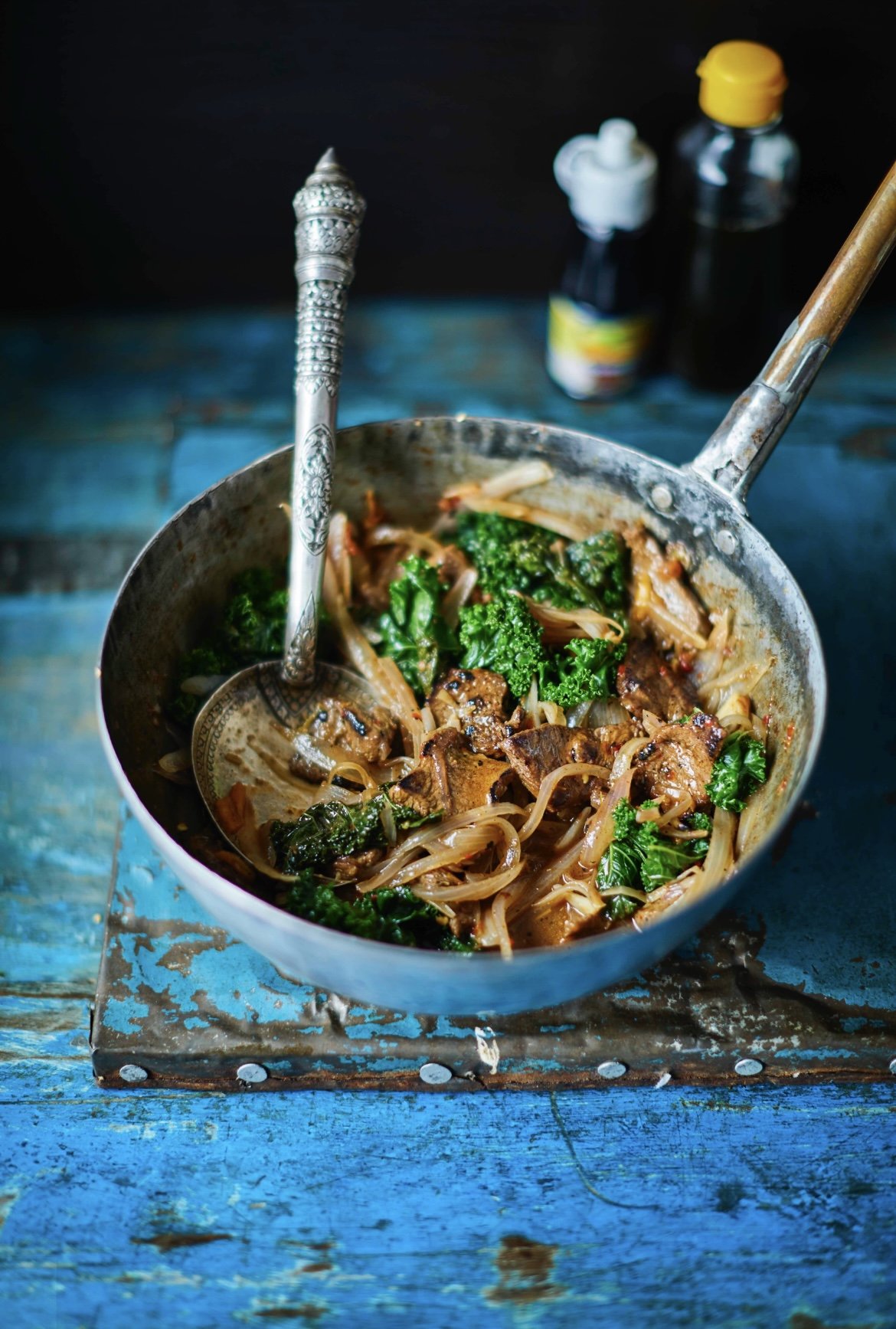
The relish in this recipe is jaew, not nahm prik pao, though the two get confused regularly. They're different recipes. Jaew comes from the Isaan region of northeast Thailand, where it's made to go alongside grilled meats, and the technique is the opposite of nahm prik pao. Nahm prik pao is cooked in oil, the chillies, garlic and shallots all fried down until jammy and sweet. Jaew is charred. Everything goes onto skewers and onto a hot barbecue until the skins are blackened and the flesh has softened in the heat. The smoke comes from the fire and it stays in the relish. Eating Thai Food has a good breakdown of the different chilli sauces and relishes if you want to read further into the distinctions. Once blitzed with tamarind, fish sauce and lime, jaew is dark, smoky, sharp and properly spicy — and one of the most versatile condiments you can have in the fridge. The recipe below makes about 400g. Make the whole batch.
The beef is flat iron, a cut from the shoulder with a good amount of intramuscular fat and a fine grain that makes it tender when sliced correctly, against the grain into thick pieces. It sears quickly at high heat without toughening, which is exactly what you need in a wok at full blast. Bavette works equally well if flat iron isn't available.
Kale in a Thai stir-fry is a Farang thing. British produce cooked with Thai technique. Kale has the structure to hold up in a smoking-hot wok without going soft, a slight bitterness that balances the palm sugar in the sauce, and it's one of the best vegetables you can get in the UK through the colder months. The dish works. That's the only justification needed.
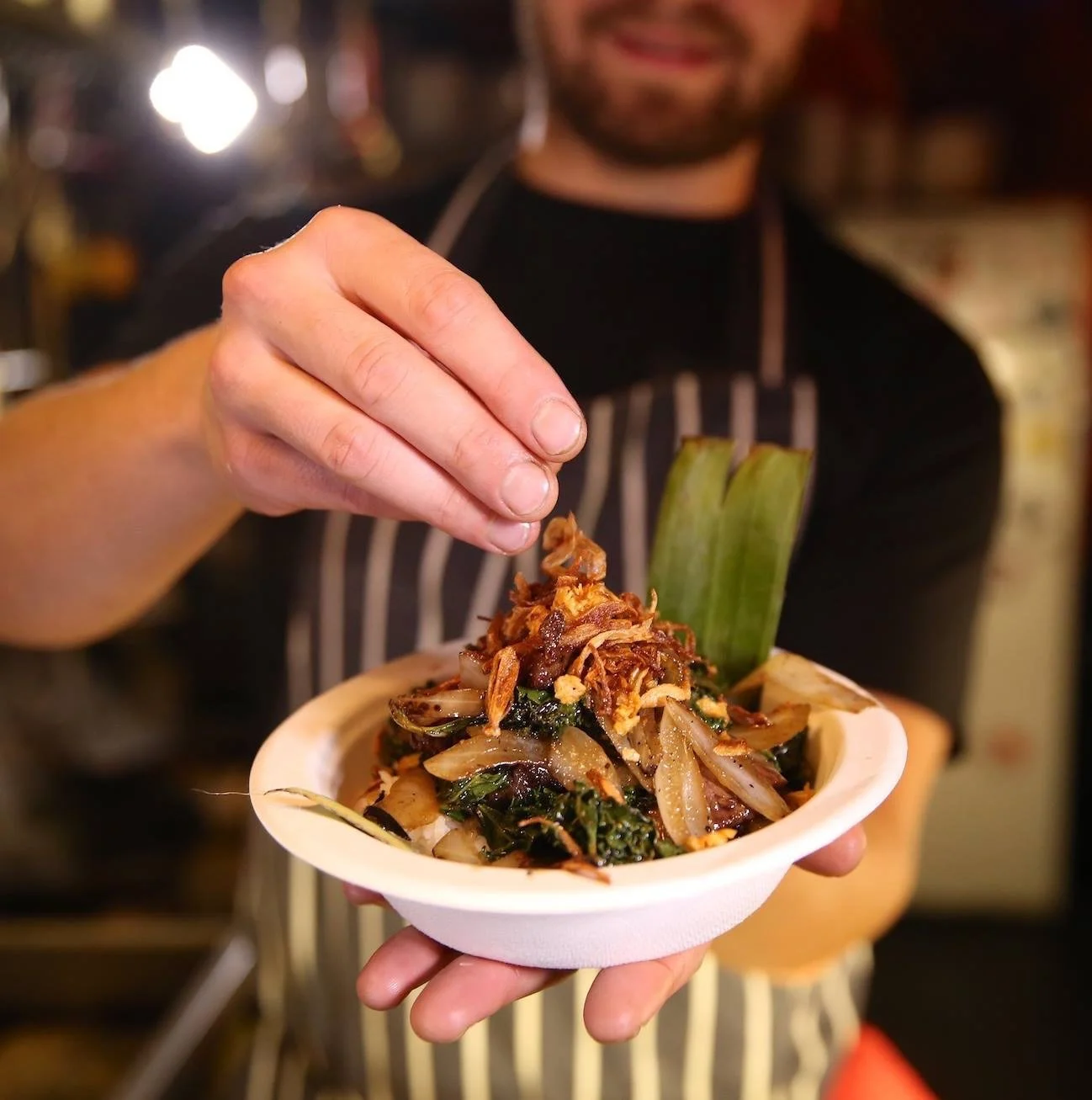
Jaew (Roasted Chilli Relish)
Makes: approx. 400g (enough for 6 to 8 stir-fries) | Prep: 15 mins | Cook: 30 mins
Ingredients for the jaew
150g cherry tomatoes, skewered
6 long red chillies, skewered
6 green bird's-eye chillies, skewered
1 head garlic, skewered whole
50g Thai shallots (or small shallots), skewered
4 banana shallots, skewered
2 sticks lemongrass, bruised
2 tablespoons thick tamarind water
2 tablespoons palm sugar (soft light brown sugar works)
2 tablespoons fish sauce (or soy sauce for a vegetarian version)
2 teaspoons smoked chilli powder
2 tablespoons coriander roots, finely chopped
Juice of 2 limes
Method for the jaew
Light the barbecue to a high heat. Wood is the best fuel here because the smoke adds to the relish, but charcoal or even gas will do the job. Get it properly hot before you start.
Grill each vegetable skewer directly over the heat, turning regularly, until everything is softened and lightly charred on the outside. The skins should blister and blacken in places. Leave them on: the charred skin adds to the smokiness of the finished relish. The tomatoes, chillies, garlic, shallots and lemongrass will char at different rates, so watch each one.
Remove from the heat and leave to cool until cool enough to handle. Pull off the chilli stems and peel away the garlic and shallot skins. Remove the core and tough outer sheaths of the lemongrass and chop the soft inner part into small pieces.
Add everything to a food processor or large pestle and mortar with the tamarind water, palm sugar, fish sauce, smoked chilli powder and coriander roots. Pound or blitz to a moist, coarse paste. Don't go too smooth - you want some texture.
Stir in the lime juice. Taste. The jaew should be smoky, spicy, salty and sour in roughly equal measure. Adjust any of those with more lime, fish sauce, sugar or chilli powder as needed. Store in a clean jar in the fridge for up to two weeks.
Stir-Fried Beef with Roasted Chilli Jam, Shallots & Kale
Serves: 2 to 3 | Prep: 15 mins | Cook: 10 mins
Ingredients for the stir-fry
200g beef flat iron (or bavette), sliced against the grain into 2cm thick pieces
1 teaspoon cumin, toasted and ground
1 teaspoon coriander seeds, toasted and ground
½ teaspoon chilli powder
3 tablespoons vegetable oil
4 banana shallots, peeled and thickly sliced lengthways
30g kale, stems removed and torn into bite-sized pieces
50ml beef stock
1 tablespoon fish sauce
1 tablespoon palm sugar
1 teaspoon distilled white vinegar
2 tablespoons thick tamarind water
150g flat rice noodles, soaked in cold water until soft (follow packet instructions)
50g jaew (from above, or from the fridge)
Method for the stir-fry
Put the beef in a bowl with the cumin, ground coriander seeds, chilli powder and 1 tablespoon of the vegetable oil. Mix thoroughly with your hands until the beef is coated. Get every other ingredient measured, prepped and within reach of the wok before you turn on the heat. A stir-fry at this temperature moves fast.
Heat the remaining 2 tablespoons of vegetable oil in a large wok over the highest heat you have until it's smoking. Add the beef and shake the wok to prevent sticking. Stir-fry for about 30 seconds until the beef is sealed on all sides. You want colour on the outside but still pink in the centre at this point.
Add the jaew, shallots and kale. Stir-fry for another minute until the shallots have softened slightly and the kale has started to wilt.
Add the soaked rice noodles and stir-fry for a minute or two until the noodles are translucent and cooked through.
Deglaze the wok with the beef stock, fish sauce, palm sugar, vinegar and tamarind water. Toss everything together to coat. Taste. The dish should be rich, smoky, sweet, salty and sour. Adjust with more fish sauce or tamarind if needed. Serve immediately from the wok.
Chef's notes
The jaew keeps well. Two weeks in the fridge in a clean jar and it gets better after a few days as the flavours settle. Make the full batch from this recipe and use it through the week - over scrambled eggs, through a stir-fry of any protein, alongside anything that came off a grill, or as a dipping sauce for sticky rice. It's one of the most versatile things you can have ready in the fridge.
Flat iron is a cut worth knowing. It comes from the shoulder, has more fat running through it than most quick-cook cuts, and stays tender when sliced correctly against the grain. Bavette has a similar texture and is often easier to find. Either works here. Avoid anything too lean, it'll tighten up in the wok.
This dish works without the noodles. Leave them out and serve the stir-fry over steamed jasmine rice. The sauce from the deglaze soaks into the rice rather than coating noodles, which is a different but equally good result.
Visit us at faranglondon.co.uk. Sauces and pastes for cooking Thai at home at payst.co.uk.
For more recipes, signed copies of my cookbooks are available at Payst: Cook Thai and Thai in 7.
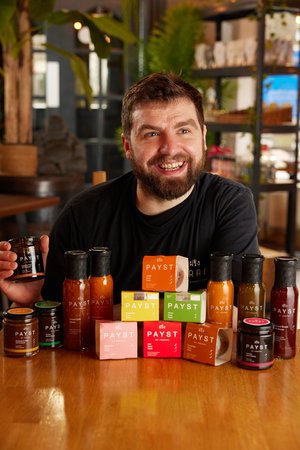
Head chef & founder of Farang London restaurant. Cookbook author of ‘Cook Thai’ & ‘Thai in 7’. Chief curry paste basher and co-founder of Payst London.