
Why Thai Street Food Is the Biggest Thing Happening in British Food Right Now
I've been cooking Thai food in London for fifteen years. For a lot of that time I was having the same conversation, with journalists, sceptical diners, the occasional supplier, always the same shape: Thai food is more than pad thai and green curry. Give it time.
The time is now.
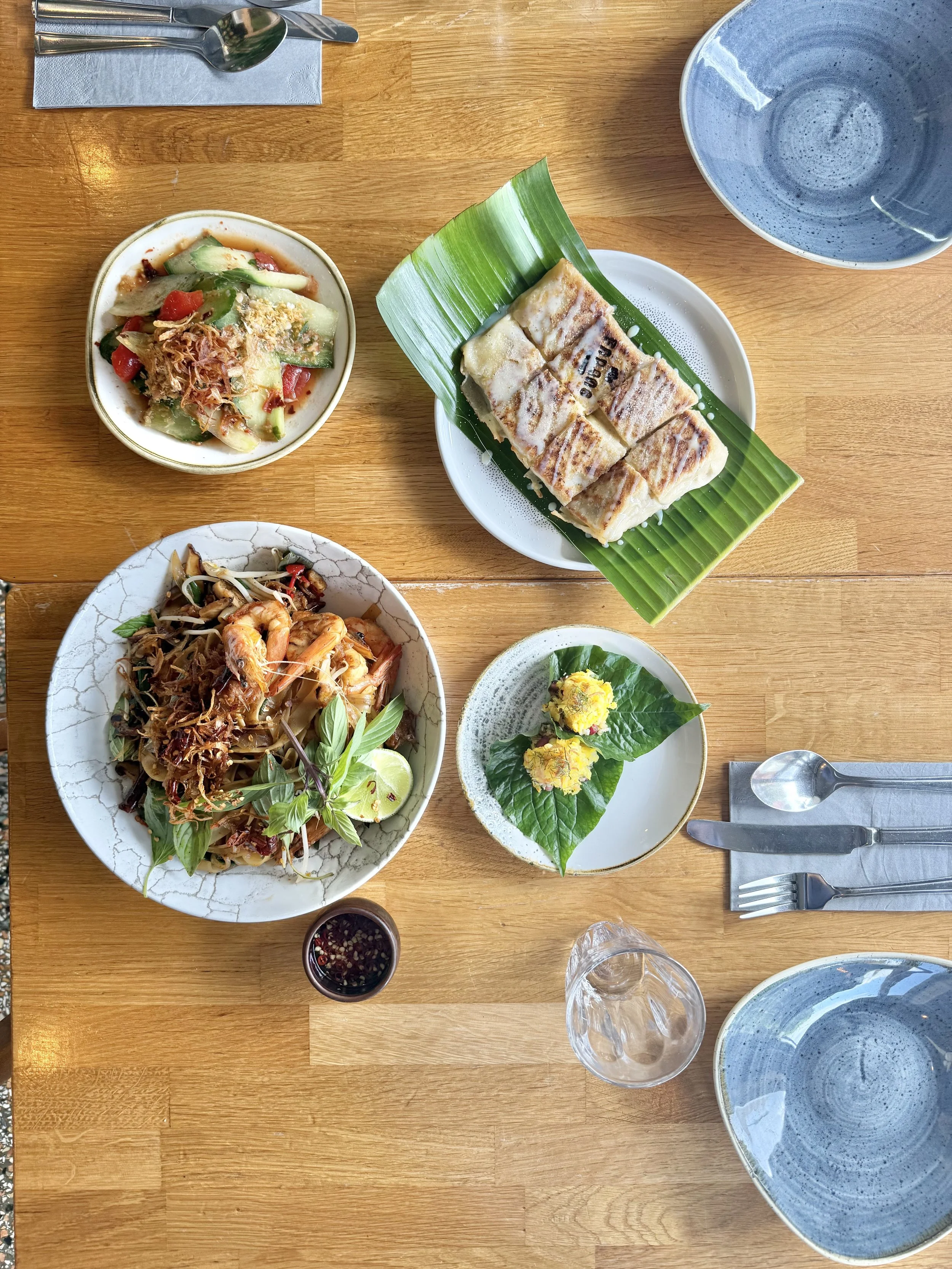
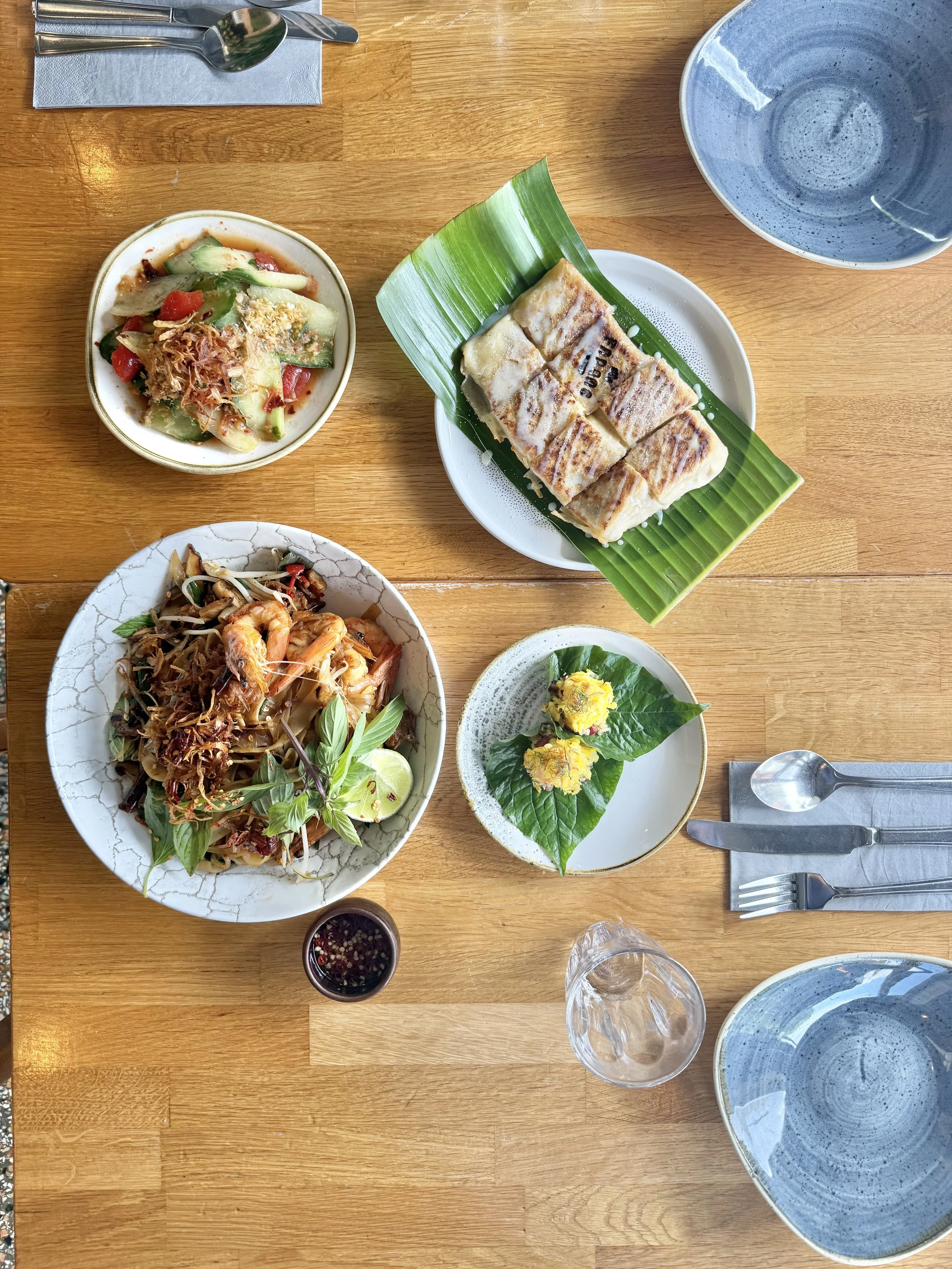
In 2026, Thai street food isn't a niche enthusiasm. It's the most exciting thing happening on British menus. Miang on cha plu leaves, banana roti dripping with condensed milk, nahm yum on everything, som tum appearing in places that a few years ago wouldn't have known what to do with an unripe papaya. The dishes I've been obsessing over since my first trip to Bangkok have finally arrived in the mainstream. Not as watered-down versions. As the real thing.
A generation of British diners grew up eating Thai takeaway: sweet, safe, anglicised. Then they started travelling. Started watching. Started eating at restaurants like Farang and demanding more. They got curious about the difference between Thai basil and holy basil. They started asking what fish sauce actually is and why it makes everything taste better. They stopped ordering the same three dishes. At the same time, a wave of Thai-led chefs, many of them not getting nearly enough credit for it, stopped cooking the food they thought British customers wanted and started cooking the food they actually grew up with. The results were extraordinary.
Food trend research for 2026 shows consumers actively seeking out bold, globally authentic flavours and increasingly unwilling to accept a diluted version. Thai cuisine, complex, technically demanding, endlessly varied, is built for exactly that appetite.
Miang is the dish I'd put in front of anyone who thinks they know Thai food and wants to be proved wrong. One bite. That's the whole point. At Farang we serve it as turmeric-salted prawns on a cha plu leaf, loaded with a savoury caramel of fish sauce, tamarind and palm sugar, toasted coconut, peanuts, chilli, ginger and whatever sour fruit is in season. You fold the leaf around it, eat the whole thing in one go. Sweet, sour, funky, hot, creamy, crunchy, gone in a second. Miang is one of Thailand's oldest and most elegant ways of eating. In this country it is virtually unknown outside of serious Thai restaurants. That needs to change.
Banana roti is the street food dessert worth knowing about. A thin, flaky flatbread, somewhere between a paratha and a crêpe, cooked on a flat iron in clarified butter until the edges caramelise and the middle puffs up. Folded around soft banana, drizzled with condensed milk, finished with cassia bark sugar. At Farang we serve it on a banana leaf. It is one of the most joyful things on the menu, and it is landing with British diners in a way it never quite has before. The appetite for global desserts, real ones, not fusion novelties, has created exactly the right conditions for it.
Nahm yum is the one to understand. The "swalty" trend, umami meeting sweetness in unexpected, addictive combinations, is talked about everywhere in food right now. Thai dressings have been doing this for centuries without needing a name for it. Nahm yum, a chilli-citrus dressing of fish sauce, lime, palm sugar, coriander root and bird's eye chilli, is arguably the most sophisticated expression of balanced flavour in any cuisine. Once people taste a properly made nahm yum on a crispy salmon salad, they don't go back.
And som tum. Green papaya salad sounds like a side dish. It isn't. Pounded in a pestle and mortar with dried shrimp, palm sugar, fish sauce, lime, tomato and long beans, it's sharp, funky, hot and deeply addictive, and one of the hardest things in Thai cooking to balance correctly. Too much lime and it's aggressive. Too much sugar and it dies. When it lands, you've eaten the whole thing before you've worked out what happened.
If you want to cook any of this at home, the ingredient list is less intimidating than it looks. Fish sauce is salt with depth. Use it anywhere you'd reach for table salt and see what happens. Palm sugar is a more complex sweetness than caster sugar, less one-dimensional, worth having in the cupboard. Tamarind belongs in your fridge permanently. That sweet-sour backbone it gives to a caramel or a dressing is irreplaceable. Cha plu leaves, the betel-family leaf we use for miang, are available at most Asian supermarkets and last well in the fridge. Get some.
The thing nobody tells you, and that changes how you think about this food: Thai cooking is about balance, not heat. People hear chilli and assume the goal is maximum spice. It isn't. I always teach people to balance the four S's: sweet, salty, spicy and sour. Get all four pulling in the same direction and the food becomes something else entirely. Something that makes you want to eat it again immediately.
I started Farang because I believed that London, one of the greatest food cities in the world, deserved a serious Thai restaurant. Not a safe one. Not an anglicised one. A restaurant that cooked the food I fell in love with in Thailand, with British ingredients where they work and real technique throughout.
The wider food world is catching up. That's a good thing. But don't wait for the trend to tell you what to eat. Come to Farang. Order the miang. Order the roti. The food does the talking. It's been ready for years.
If you want more of this, subscribe. New recipes and articles straight to your inbox, and my free Thai Pantry guide to get you started. Sign up here.
Visit us at faranglondon.co.uk. Sauces and pastes for cooking Thai at home at payst.co.uk.
For more recipes, signed copies of my cookbooks are available at Payst: Cook Thai and Thai in 7.
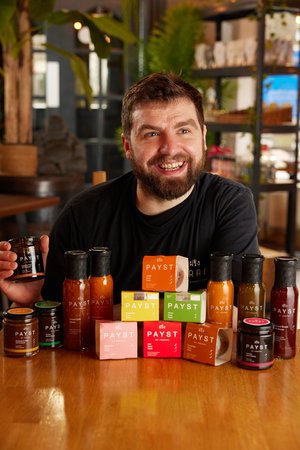
Head chef & founder of Farang London restaurant. Cookbook author of ‘Cook Thai’ & ‘Thai in 7’. Chief curry paste basher and co-founder of Payst London.