
The Hidden Cost Of Your Takeaway Order
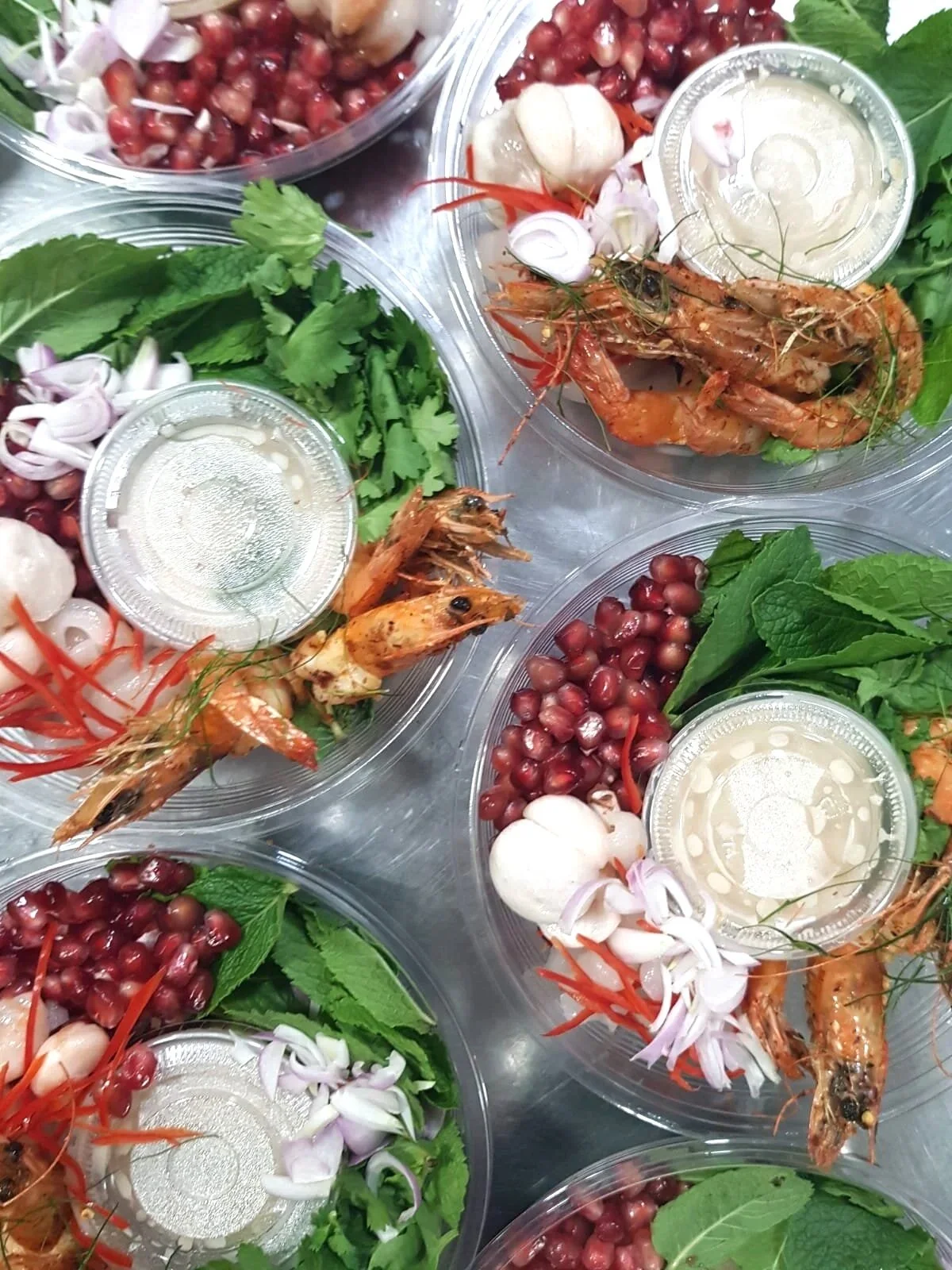
There's a specific silence that happens in a residential dining room at half past twelve on a Thursday. Not peaceful. Dead. The kind of quiet where you can hear the extraction fan and nothing else, no chairs scraping, no orders being called, just the low hum of a kitchen that's ready to work and has nobody to work for. Highbury Park isn't Soho. Nobody stumbles off a train at lunchtime looking for pad kee mao. We're a destination restaurant on a street full of houses, and destination restaurants live and die on dinner service, on people who planned to be here. Lunch fills the gap. That's all it does. And for years now the only thing that's filled that gap reliably is a green helmet leaning against the front window while someone waits for a bag.
I'm not going to pretend I don't need it. I do. The delivery apps didn't invent the lunchtime problem. They just turned up at exactly the moment restaurants like mine needed someone to solve it, and for that I'm grateful the way you're grateful to a landlord who hasn't put the rent up yet. It's not gratitude. It's survival.
Here's what nobody ordering a Thursday night massaman to their kitchen table actually knows. Every single order that leaves through that app costs me twenty-two pence in every pound before I've paid for the chicken. Before I've paid for anything. Not a delivery charge you can see on your receipt and grumble about. A cut taken quietly from my side of the till, built into a price you never think to question because the app decided what fair looks like and you were never in the room when it did.
I used to be angry about this. I'm not anymore. Anger at least means you think something might change. What I've got now is flatter. It's the permanent feeling of a chef who's done the maths so many times he can do it in his sleep. Twenty-two per cent of a thirty pound order is six pounds sixty. Multiply that by every order that keeps a Thursday lunch from being a total write-off and you start to see why so many kitchens you love are quietly cooking at a loss for half the week and hoping dinner covers it. This isn't a scandal. It's just the game now, and every chef I know has stopped expecting it to be otherwise.
What gets me isn't the percentage. Businesses take cuts, that's commerce, fine. What gets me is how invisible it is by design. You order, you tip if you're kind, you watch the app tell you your food is four minutes away, and at no point in that experience are you shown what's actually happening underneath it. A restaurant absorbing a cost it can't pass on without pricing itself out of the app entirely, because the algorithm punishes you for being more expensive than the place next door, so you eat the cut instead and call it the cost of staying visible.
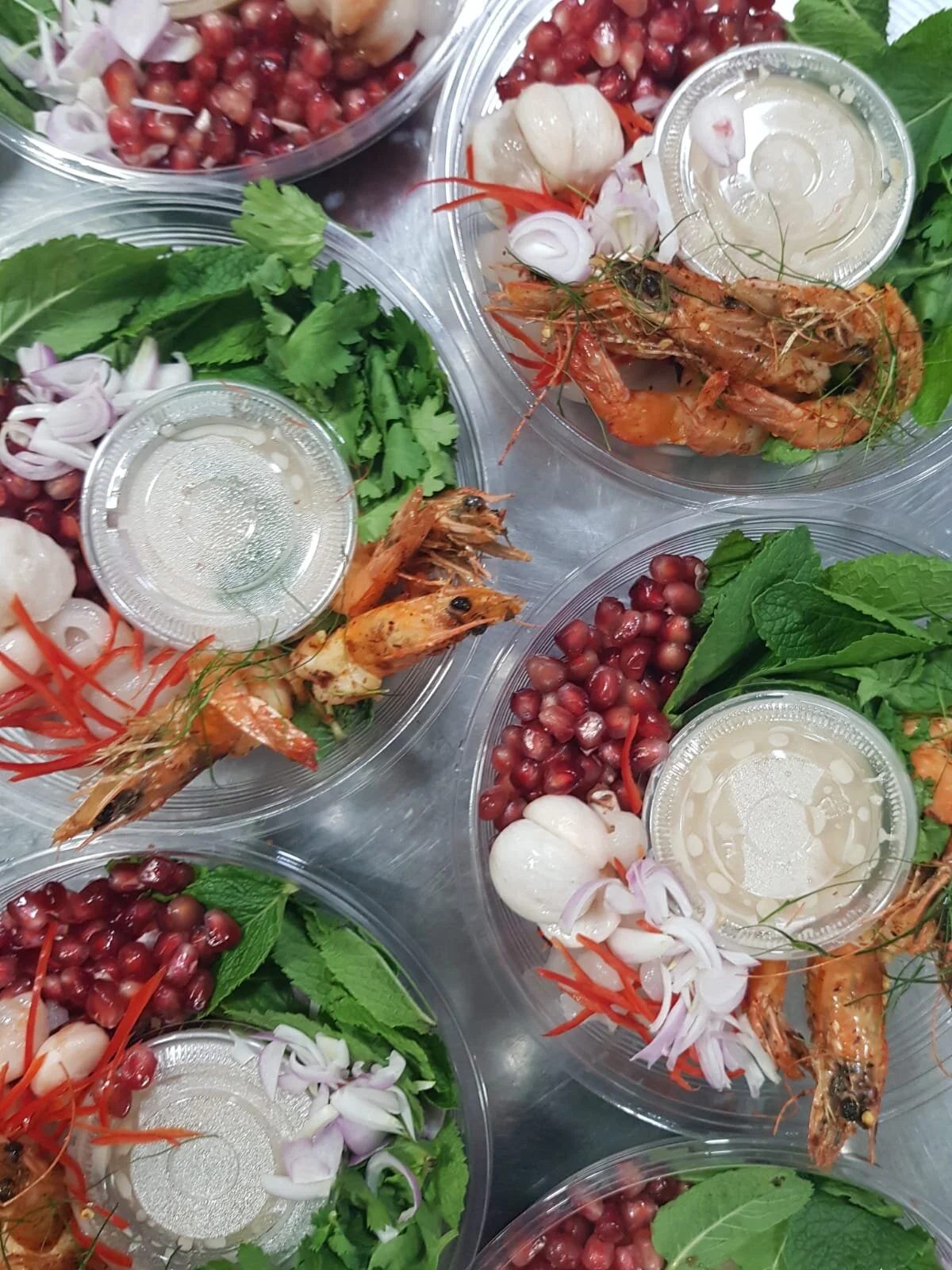
I've watched good places close in the last two years. Delivery commission wasn't the only reason, it never is, but it was in the room every time. It's the quiet tax on survival for anyone not lucky enough to sit in the middle of an office district where lunch takes care of itself. You end up building your entire midday economics around a platform that owns the customer relationship, owns the data, owns the moment someone chooses your food over the place next door, and takes its cut whether that lunch made you money or not.
And the app isn't the only hand in the till. The government takes another twenty per cent on top in VAT. So add it up properly. We come up with the idea, we hold the expertise to cook it, we train the staff and look after them, we buy the ingredients, we pay the electricity, the insurance, the business rates, everything that makes the dish possible in the first place. And by the time a plate of food has gone through an app and through HMRC, the people who built neither the restaurant nor the recipe are often walking away with more profit than we are. Something about that arithmetic has never sat right with me, and I don't think it's meant to. A few per cent of something is still better than a hundred per cent of nothing, so you take it and keep going, but it's a strange kind of country that's built itself around letting tech platforms and the taxman take the meat off an independent business and call it the cost of doing business.
I don't have a clean answer, and I'm suspicious of anyone who does. I'm not going to stop using the apps, because the alternative is a longer, quieter kind of dying, and I've got a kitchen full of people whose wages don't care about my principles. What I want is smaller than a solution. I want you to know, next time you're ordering a curry on a Thursday lunchtime, that twenty-two pence of every pound you spend didn't go to the kitchen that made it. It went to a company that has never once stood over a stove at one in the morning wondering if the numbers are going to work this month. The taxman's cut is fixed, I can't change that. But you can cut out at least one of the middle men. If you can call in and collect it yourself, that twenty-two per cent stays with the kitchen. Worth knowing if you want to see a place thrive.
If you want more of this, subscribe. New recipes and articles straight to your inbox, and my free Thai Pantry guide to get you started. Sign up here.
Visit us at faranglondon.co.uk. Sauces and pastes for cooking Thai at home at payst.co.uk.
For more recipes, signed copies of my cookbooks are available at Payst: Cook Thai and Thai in 7.
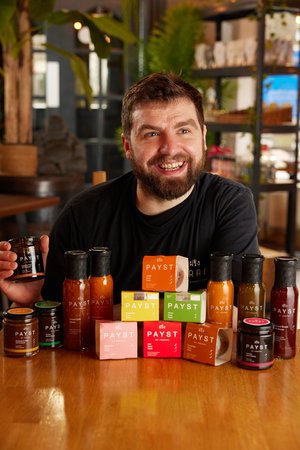
Head chef & founder of Farang London restaurant. Cookbook author of ‘Cook Thai’ & ‘Thai in 7’. Chief curry paste basher and co-founder of Payst London.