
A Few Do's and Don'ts When Opening a Restaurant by a Man Who Opened One by Accident

There is no scripted way to open a restaurant, no way of cheating, no way of buying your way to success. A restaurant is a constantly evolving beast, and if not maintained and respected, it falls apart at the seams. In my short few years opening Farang, I have made many mistakes. Some respectable, some just outright bonkers. With the right frame of mind, they've all taught me something.
Service charge is a MASSIVE grey area across the whole industry, and I understand why. Most people who aren't seasoned to hospitality assume that if service charge doesn't go directly to the staff, the business owner is a big fat greedy bastard sat at home on a golden toilet using £50 notes for toilet roll. This isn't always true. Although I hope such a ridiculous misuse of wealth exists somewhere.
I've tried it both ways. When we first opened Farang, we charged 10% service on every bill, and as it was mostly my friends working for me, we split it between us fairly based on hours worked. I was looking to motivate everyone to make the best food we could, not to become a millionaire overnight. It didn't take very long to realise that this admirable decision was a financial disaster. At the very beginning, every penny truly did count. With the addition of paying my team very well on top of this, I had essentially cut holes in all four of my pockets and done a few cartwheels.
About eight months into Farang as a pop-up, we were pretty close to having to close the doors, despite being busy all the time, purely because I was giving it all away. At least I was giving it to the staff. It's no use if it results in them not having a job a few months down the line. In the end, I sat everyone down and we all went through the figures. As a collective, we increased everyone's salaries to suit their position and kept the service charge in the business to keep us moving. The important thing is to always pay your staff as well as the business can afford, and to be clear that you're doing so. If people don't respect or appreciate you doing this, they aren't made of the right stuff anyway.
(The law has changed regarding service charge since I wrote this, but I've left it as originally written for context.)
I opened this restaurant by accident. A series of things fell into place: a pointless Journalism degree, a love for food, my step-father's retirement resulting in a restaurant lease, and a miraculous ability to keep going no matter what, like a dedicated moth to a bright light. There is no correct way to open a restaurant. It takes hard graft, dedication and a certain amount of madness to do it right.
I'm not claiming to be an expert. I'd turn my nose up at anyone who does. You stick to a set of your own rules and keep looking to improve. The one thing that would have made the road a little less rocky than mine is money. I started Farang two years ago with nothing to my name and a student loan still to pay. It's starting to work out. With proper hard graft, you can build a restaurant from nothing. Given the choice, I'd recommend having a little money.
Back to those mistakes.
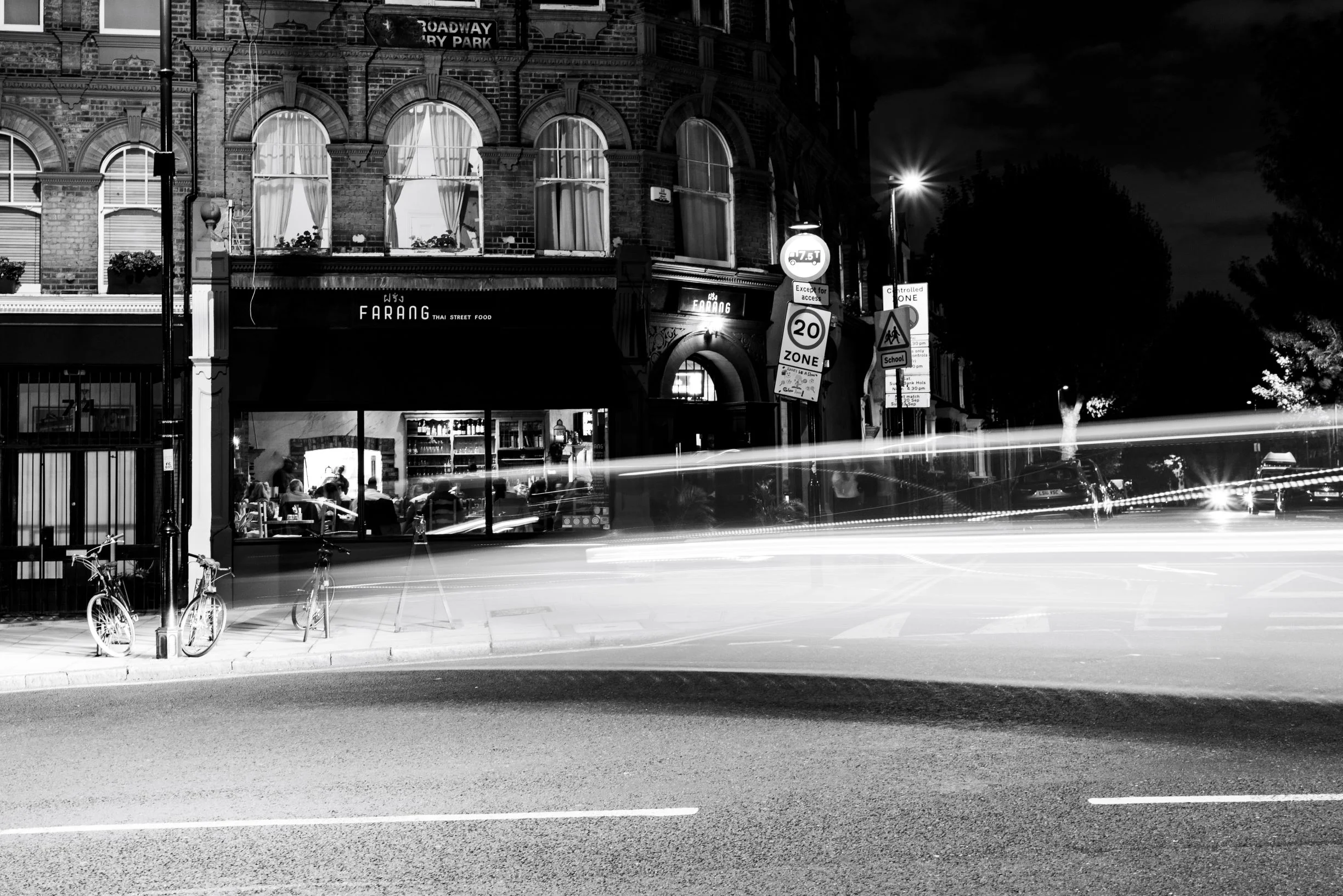
In the pop-up days, we were just riding the wave and going with whatever came our way. I quickly realised that saying yes to everything has a shelf life. It has its place at the very beginning, as long as it gets more people trying your food. Don't sell yourself short, even from the start.
When we were doing pop-ups in London, we came across some absolute arseholes who pretend to support you as a small business but actually just want to make an easy penny out of you. These arseholes will always exist. I can happily tell you some of the big ones to avoid if you're starting off in London, but I'll keep that private for now. Avoid anything or anyone offering to keep alcohol sales and take a cut of your takings as rent. You need to be consistently busy for a very long time for this to even nearly work. Anyone happy taking this much money away from a start-up doesn't care one bit about its success, so backflip out the window as quickly as possible. We made this mistake a few times. Tread carefully when agreeing to any long-term residencies or pop-ups. Either really trust the operation you're getting involved with, or make sure the contract protects you as much as possible. And always, ALWAYS, have a contract.
Not having a strict bookings policy screwed us massively from the start. People don't mean to be rubbish, but unfortunately, we are. We will be late, we will miss trains, we will forget to phone and cancel. These are facts. What most people don't realise is that when they book a table and don't show up or cancel, the restaurant holds that table just in case they do turn up. This means turning away other customers who could fill it. The kitchen has also bought food for them and the floor is staffed to serve them. A strict bookings policy is the only way forward.
I was against it at first. I worried it would put people off having to pay a deposit, or receiving a stern message before they'd even eaten with us. In an ideal world it shouldn't be necessary, but a certain breed of human has ruined it for the rest of us. After a couple of nights with large tables not showing up, I'd had enough. We started telling people we'd hold the table for fifteen minutes, and if we hadn't heard from them by then, we couldn't promise them anything. The majority of people are lovely, and they were very happy to go along with it. Some, of course, bloody hate it. But these people are clearly unreasonable and therefore don't deserve a delicious dinner with great service. I'd bet my puppy that they're also the ones who don't phone to cancel. Follow this policy before you find yourself staring out at a half-empty restaurant, knowing you just sent enough people to fill it to eat elsewhere an hour ago.
If you want more of this, subscribe. New recipes and articles straight to your inbox, and my free Thai Pantry guide to get you started. Sign up here.
Visit us at faranglondon.co.uk. Sauces and pastes for cooking Thai at home at payst.co.uk.
For more recipes, signed copies of my cookbooks are available at Payst: Cook Thai and Thai in 7.
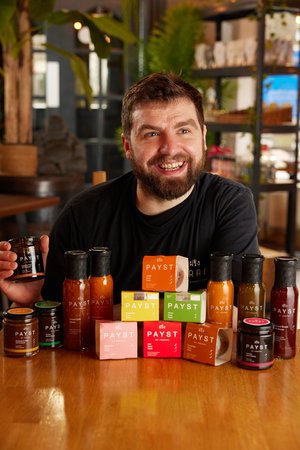
Head chef & founder of Farang London restaurant. Cookbook author of ‘Cook Thai’ & ‘Thai in 7’. Chief curry paste basher and co-founder of Payst London.