
Farangdemic: How We Weathered the Shit Storm
It's late January 2020, and the team and I are heading to Bangkok for a week. We called it a research trip. In reality it was a holiday where we ate loads of food and drank plenty of beer.
We were staying a stone's throw from Khaosan Road when the name Coronavirus started appearing in papers and on news feeds. We'd glance at our phones and think nothing of it. We're on holiday, right? Another beer, please.
On the return flight, we started to understand what was unfolding. The news was showing Wuhan: empty streets, officials in hazmat suits. I'd read that 800 flights a day flew into Bangkok direct from Wuhan. Many of those passengers would have been walking past us in the days before, not wearing masks the way you did back then. I was halfway back to London, flying over Kuala Lumpur, on a plane that most probably had someone with coronavirus aboard. Perhaps even us. The penny dropped, and a very real feeling of dread came over me.
I'd grown up reading about near misses with diseases: swine flu, SARS, influenza. They'd always felt distant. This one, I could tell, wasn't.
By early March 2020, Farang had been particularly busy, so I'd done what I always do and tuned the news out to focus on service. After five years of grafting, things were looking up. We were booked out for months in advance, fully staffed, and we'd just spent our savings on a refurb. The restaurant was ready for whatever 2020 had planned.
Then we turned on the news one evening in early March and found the public being told not to eat in restaurants. For someone running a place that employs himself, his sister-in-law, his mum, 24 others, and funds a business that supports himself and his brother, this was devastating.
We could open for diners, but diners weren't allowed to come in. Months of bookings gone overnight. Twenty-five staff in a very expensive empty building, no income plan. We went from hero to zero in a matter of hours.
We called a staff meeting. I said we had two choices: close up and wait for it to blow over, or go for takeaway and split whatever we made between everyone equally. We went for takeaway. For one week, the phone went mental. One order every five minutes, flying out of the locked front door. We all made some money, and the business was still running.
It didn't last. When all restaurants were ordered to close, I ended up running takeaway from inside a locked restaurant on my own. My mum took pre-orders from her living room round the corner while I cooked into the night, sometimes packaging 500 curries until 3am.
Twenty-five staff was not viable without a restaurant. With no diners legally allowed in, all our front-of-house were effectively made redundant. I kept everyone furloughed for as long as I could while I worked out a plan. Eventually I had to let the part-time workers go while protecting the full-timers, the ones who relied solely on Farang for their income. That was a bad day.
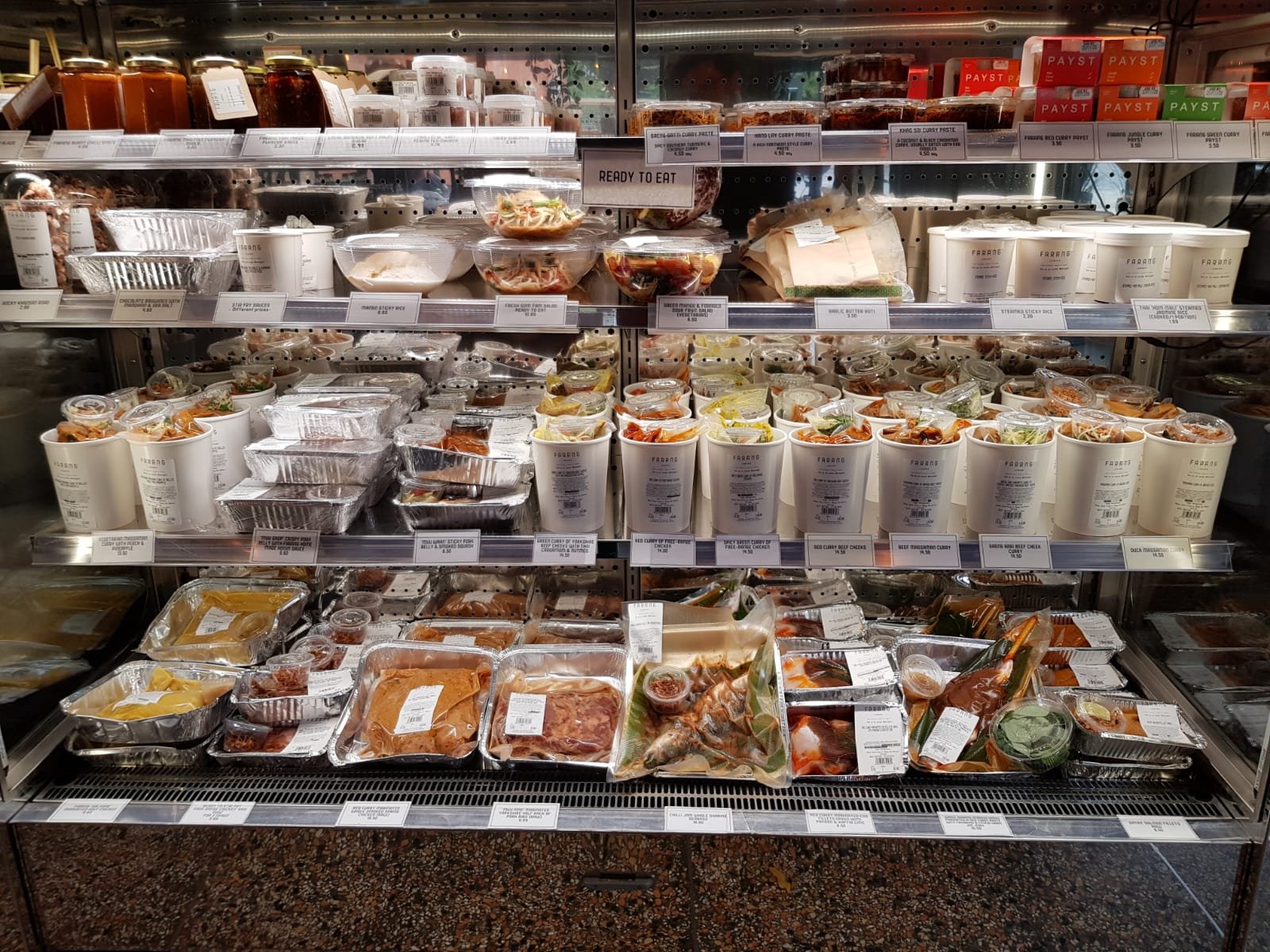
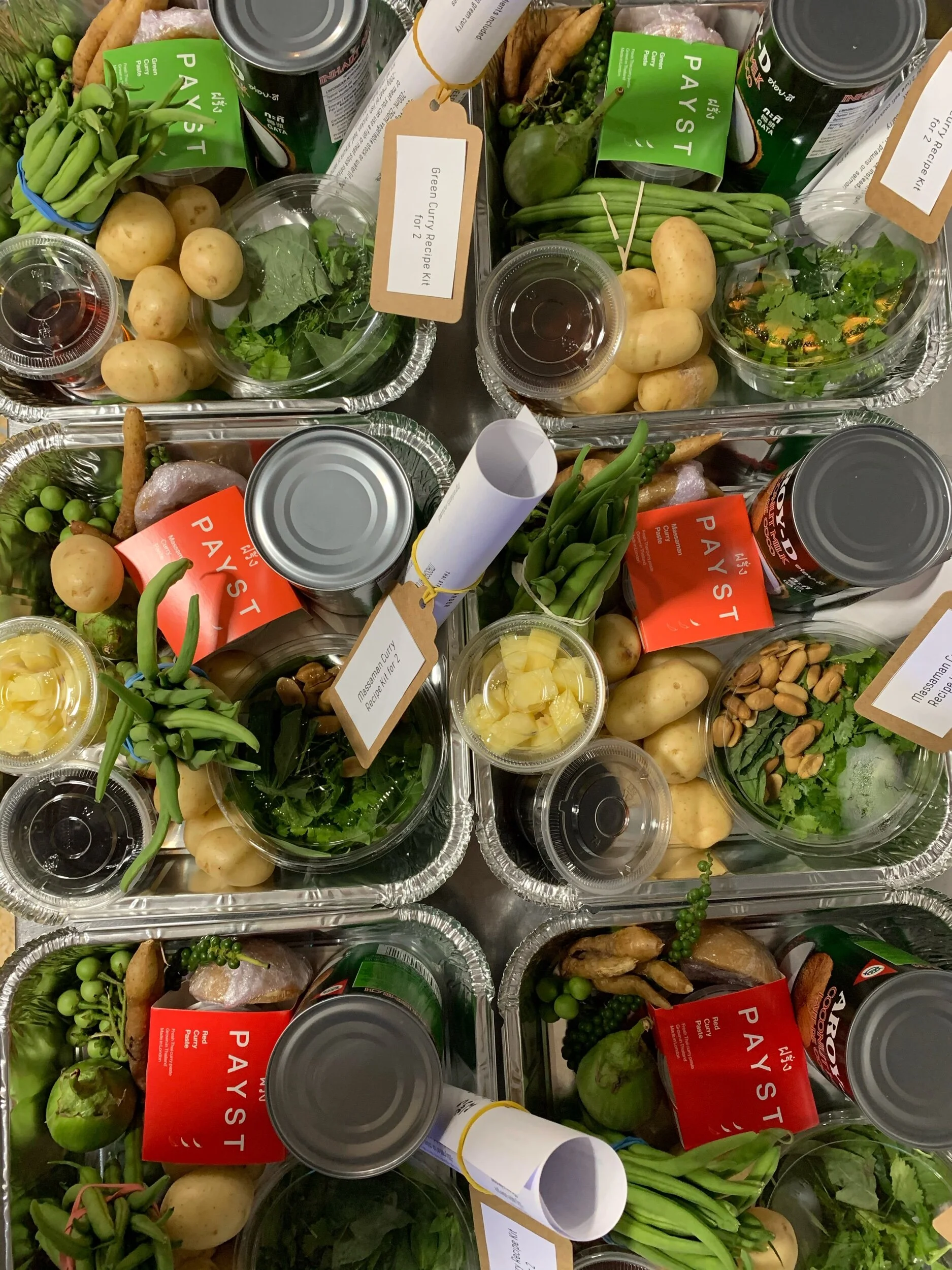
From all of this, the Farang Larder was born. The government kept retail open alongside restaurant takeaway, which gave us a way to keep people busy and keep our corner of North London fed with proper Thai food. The team, now eight strong, turned our 77-seater restaurant into a Thai grocery shop. We packaged up the entire menu, the ingredients, the condiments, the sauces, the meal kits. Everything we made, ready to pick up and take home. A month earlier I would have said it was impossible. We had it done in weeks.
Half the restaurant is still a shop. The other half became a 30-seat dining room, more intimate than before, focused on longer visits and a more personal experience. We cook for hundreds of people every week in their homes via Dishpatch. The curry pastes and sauces go out across the country through Payst. We look after each other better than we did before.
The last few years will be remembered in the history books as an absolute cluster of terribleness. We aren't a sob story. We worked ourselves into the ground, swallowed our pride, put our food in takeaway boxes, replaced tables with shelves, and did what we had to do. None of what's happened since was inevitable. We had to build it.
If you want more of this, subscribe. New recipes and articles straight to your inbox, and my free Thai Pantry guide to get you started. Sign up here.
Visit us at faranglondon.co.uk. Sauces and pastes for cooking Thai at home at payst.co.uk.
For more recipes, signed copies of my cookbooks are available at Payst: Cook Thai and Thai in 7.
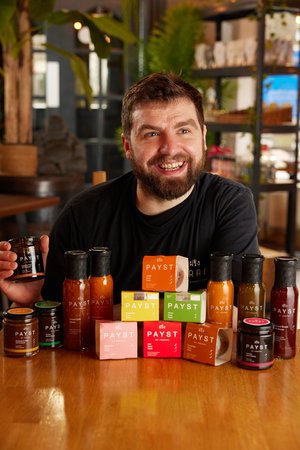
Head chef & founder of Farang London restaurant. Cookbook author of ‘Cook Thai’ & ‘Thai in 7’. Chief curry paste basher and co-founder of Payst London.