Palm Sugar: What It Is and How to Use It
Thai Ingredients
In Thai: nahm tan peep
Thai food isn’t sweet the way a pudding is sweet. Palm sugar is there to round the edges off salt, sour and heat, and it does it more gently than white sugar ever could.
- Tastes like
- Soft caramel, fudge, a little smoky
- Find it
- Asian grocers, some supermarkets
- Swap
- Light brown soft sugar
What it is
Sugar made by collecting the sap from palm flowers and boiling it down until it thickens and sets, a bit like maple syrup. In Thai it’s nahm tan peep. Peep is the square tin it was traditionally sold in, and the hard cakes are nahm tan puek.
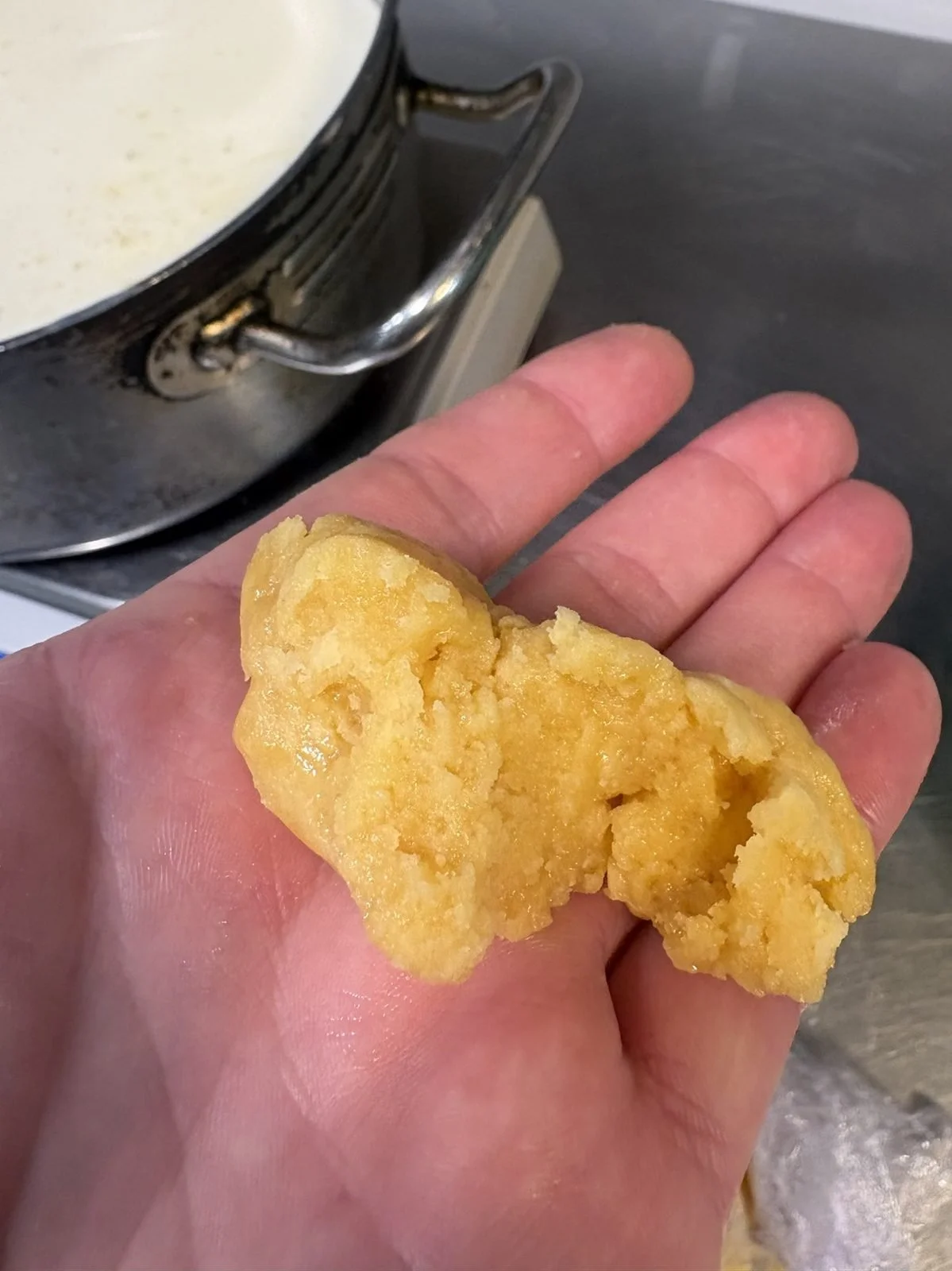
Good palm sugar is soft, fudgy and pale caramel in colour, with a flavour somewhere between butterscotch and honey. It’s gentler than white sugar, so it rounds a dish off without shouting. It goes into dressings, curries, dipping sauces, pad thai and desserts.
Palm, coconut or jaggery?
The names get muddled on packets, so here’s the short version.
| Sugar | Made from | Notes |
|---|---|---|
| Palm sugar | Sap of the sugar palm (toddy palm) | The classic. Soft, fudgy, caramel |
| Coconut sugar | Sap of the coconut palm | Very close. Often sold as palm sugar in Thailand |
| Gula melaka | Coconut or palm sap | Malaysian and Indonesian. Darker and smokier |
| Jaggery | Cane juice or palm sap | Indian. Often made from cane, so not the same thing |
For Thai cooking, Thai palm sugar or coconut sugar both work. Darker gula melaka is lovely in desserts but a bit heavy for a dressing.
Buying a good one
This is the big one. A lot of palm sugar sold in the UK is bulked out with cheaper cane sugar, and CooksInfo reports some contain 50 to 80% cane. Read the label and look for the highest palm sugar percentage you can find, ideally 100%.
At Farang ours comes from a market in Bangkok, and it’s soft and fudgy, a different thing altogether. Here it comes in hard cakes, cylinders or soft tubs. All of them work. Soft tubs are easiest to measure.
Storing and softening it
Airtight tub, cupboard, for a long time. In the air it dries out and goes rock hard. It isn’t ruined. Grate it on a fine grater like parmesan, shave it with a heavy knife, or microwave it in 20-second bursts until it gives. Or melt it straight into the pan with a splash of water.
How to use it
Melt it in gently. Hard boiling turns it to toffee. Melted into tamarind water with fish sauce, it’s pad thai sauce. In a curry, it goes in after the paste has fried, so it catches a little and deepens. In dressings, dissolve it in the lime juice first or it stays gritty.
Palm sugar varies batch to batch, so always taste and adjust. My tamarind and palm sugar skill and balancing flavour skill go into the detail. And in a salted caramel, it’s one of the best things you’ll ever pour on anything.
What to use instead
Light brown soft sugar is the closest everyday swap. Coconut sugar works too. In a few of my recipes I use British honey instead. It’s sweeter, so use less, and it isn’t vegan. Use white sugar only if there’s nothing else, as it just tastes sweet.
Quick answers
What does palm sugar taste like?
Soft caramel and butterscotch, less sharply sweet than white sugar.
Is palm sugar the same as coconut sugar?
Close, but not quite. Palm sugar comes from the sugar palm, coconut sugar from the coconut palm. Both work in Thai cooking.
How do you soften hard palm sugar?
Grate it finely, microwave it in 20-second bursts, or melt it in the pan with a splash of water.
What can I use instead of palm sugar?
Light brown soft sugar is the closest. Coconut sugar works too.
How do I know if palm sugar is real?
Check the label. The best is 100% palm sugar. If sugar or cane sugar is listed first, it’s mostly cane.
Is palm sugar vegan?
Yes. It’s made from palm sap.
Further reading: Hot Thai Kitchen’s guide to palm sugar, Bangkok Post on how palm sugar is made.
More from the Thai larder
Every ingredient I cook with, explained: what it is, where to find it and what to use instead.
All Thai ingredients, A to ZGet my free Thai Pantry guideSubscribe and new recipes, articles and guides land in your inbox as soon as they go up.
Head chef & founder of Farang London restaurant. Cookbook author of ‘Cook Thai’ & ‘Thai in 7’. Chief curry paste basher and co-founder of Payst London.