
MSG Isn't the Enemy. Your Fear of It Might Be.
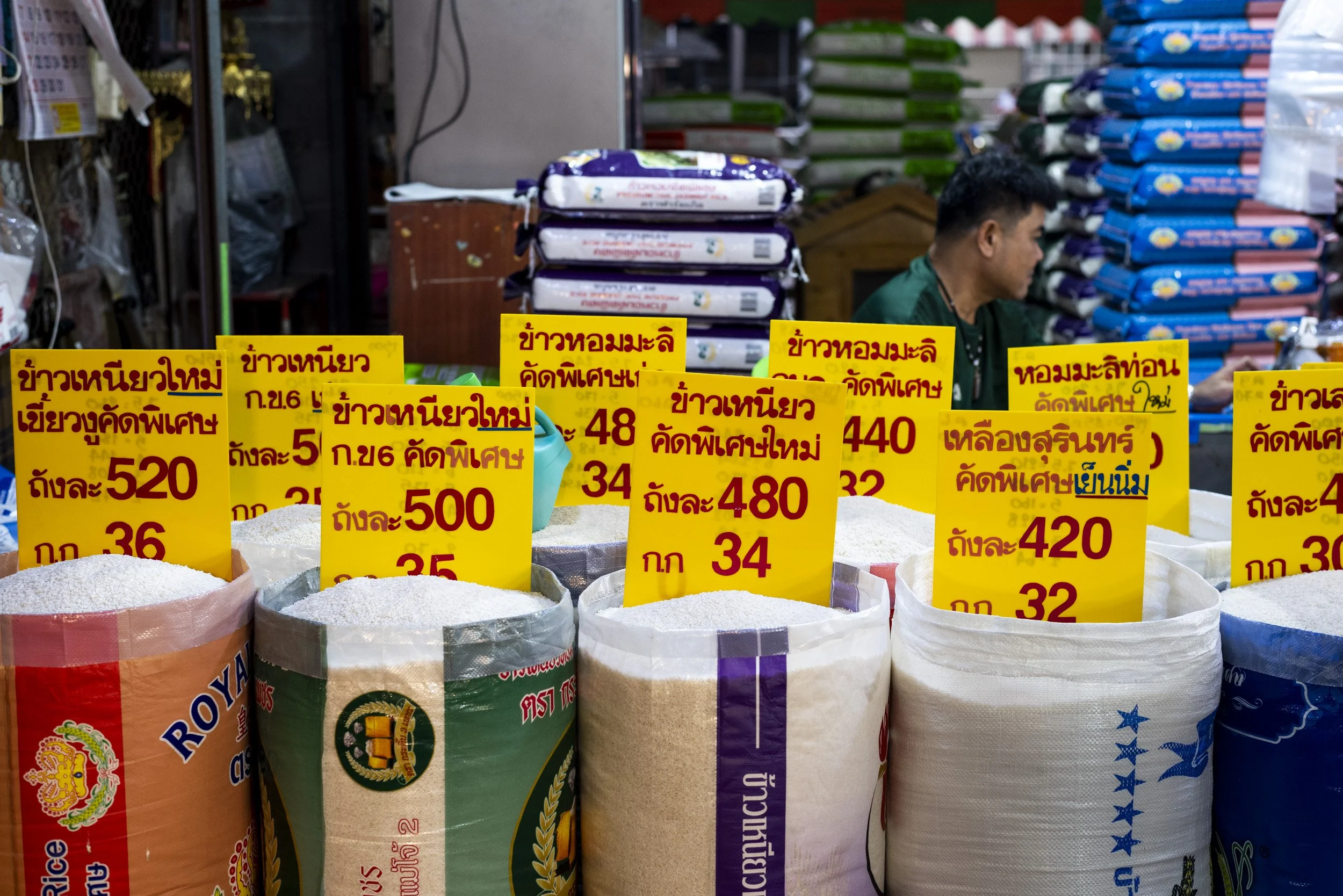
There is a bag of Ajinomoto MSG in my kitchen. It costs less than three quid, lasts for months, and does something that takes a good chef years to learn how to do with seasoning alone: it makes food taste more like itself. More rounded. More finished. That thing you feel when you take a spoonful of broth and something just clicks - that's glutamate doing its job.
And yet, mention MSG to a certain type of person and you'll watch their face do something complicated. The eyes narrow. The lips purse. They'll tell you about headaches, about chemical additives, about how they never eat it. Meanwhile they've just grated parmesan over their pasta, shaken soy sauce into a stir-fry, and squeezed half a bottle of Worcestershire sauce onto their steak. All of which are absolutely loaded with the stuff.
We need to talk about this. Because the fear of MSG is one of the great culinary myths of the last fifty years, and it has done real damage to Asian cuisines, to people's cooking, and frankly to their dinner.
Monosodium glutamate is the sodium salt of glutamic acid, one of the most common amino acids on the planet. Glutamic acid is naturally present in our bodies and in a vast range of foods. It's what gives things that deep, savoury, mouth-coating quality the Japanese call umami - the fifth taste, sitting alongside sweet, sour, salty and bitter. In 1908, a Japanese professor named Kikunae Ikeda extracted it from a seaweed broth, figured out what was making the soup taste so extraordinary, and patented a way to produce it commercially. The brand he worked with was Ajinomoto. The same brand sitting in my kitchen right now, over a century later.
The version we use is produced by fermentation - the same basic process behind beer, vinegar, and yoghurt. It's not synthesised in a lab. It's not a petrochemical. It's an amino acid derived from fermented starch or molasses, and your body processes it in exactly the same way it processes the glutamate in a ripe tomato. Your body cannot tell the difference. State-of-the-art analytical technology cannot tell the difference. There is no difference.
This is where it gets interesting, and where the people who tell you they're sensitive to MSG tend to go very quiet. Parmesan cheese contains around 1,680mg of glutamate per 100g. Roquefort, 1,280mg. A ripe tomato has around 140mg per 100g, which means your pasta sauce, before you've even touched the parmesan, is already a glutamate delivery system. Soy sauce, fish sauce, oyster sauce: all of them extremely high in naturally occurring glutamate. Anchovies, mushrooms, miso, Worcestershire sauce. The Roman Empire made a fermented fish sauce called garum specifically because it made everything taste incredible, though they didn't know why. They were chasing glutamate, the same way every cook who's ever reached for a splash of something savoury has been chasing it.
In Thai cooking, we've been doing the same thing for generations without ever calling it that. Fish sauce goes into almost everything we make - stir-fries, curries, salads, soups, relishes. Gapi, the fermented shrimp paste that forms the backbone of so many curry pastes, is glutamate-dense from the fermentation process. The depth you get in a proper Thai curry, that bottom-of-the-bowl quality that makes you want to keep eating - a lot of that is naturally occurring MSG doing exactly what added MSG does. We just got there through fish and fermentation rather than a bag of white crystals. The ingredient has a different name and a different history, but the science is identical.
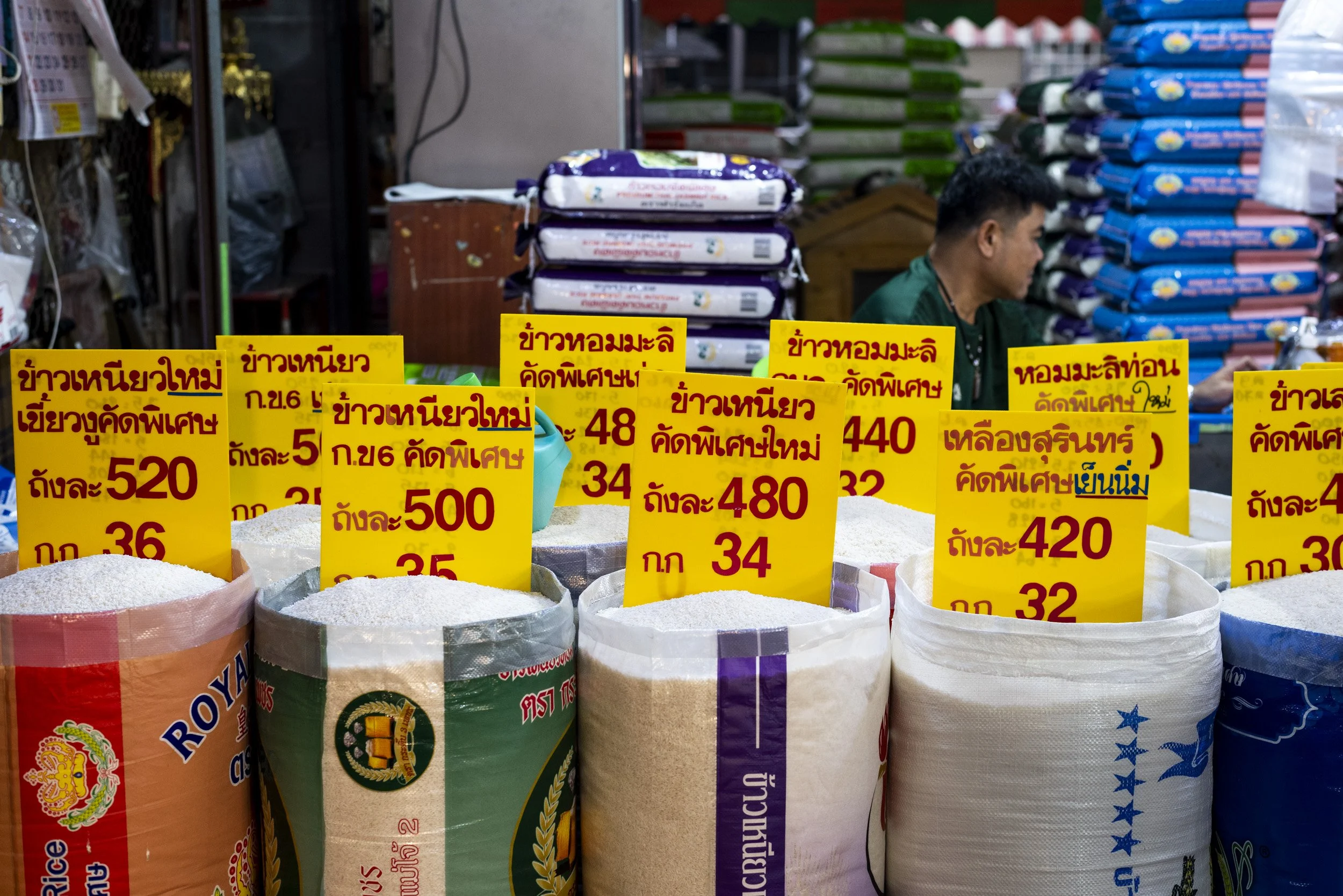
The idea that MSG is some unnatural intruder doesn't hold up the moment you look at what's actually in the food people eat without a second thought.
So where did the fear come from? In 1968, a doctor named Robert Ho Man Kwok wrote a letter to the New England Journal of Medicine describing some symptoms he'd experienced after eating at a Chinese restaurant, numbness, weakness, palpitations. He speculated, without any evidence, that MSG might be the cause. The journal published it. The media ran with it. The term "Chinese Restaurant Syndrome" was born. It later emerged that the letter was a prank. Not a medical paper. Not a study. One man's anecdote dressed up in academic language, and it was enough to terrify a generation of home cooks and get Chinese food quietly blacklisted in households across the Western world.
The science, when people actually did it properly, told a completely different story. The FDA classifies MSG as "Generally Recognised as Safe", the same category as salt, sugar, and baking soda. The World Health Organisation and the Food and Agriculture Organization of the United Nations have both declared it safe. In the 1990s, the Federation of American Societies for Experimental Biology conducted a large-scale review and found no evidence to support the existence of Chinese Restaurant Syndrome. A 2016 systematic review of human studies specifically on MSG and headaches concluded there was no consistent evidence supporting any connection between MSG and headache when consumed in normal amounts with food.
The single finding that gave the scare any scientific foothold at all was that some individuals who consumed 3g or more of MSG on an empty stomach reported mild symptoms. Three grams. On an empty stomach. That's eating MSG by the spoonful before breakfast. That's not how anyone cooks with it. As the Science History Institute noted when reviewing decades of research, people in East Asian countries consume over three times as much MSG per day as Americans. Nobody is getting sick. The question "why doesn't everyone in China have a headache?" has never been satisfactorily answered by MSG's critics, because there is no satisfactory answer.
We don't lean heavily on MSG at Farang. The foundation of our seasoning is fish sauce, tamarind, palm sugar, lime - the building blocks of Thai flavour that do the heavy lifting in every dish. The MSG sits in the background, used when a dish needs that final lift and the other elements are already in balance. It's a finishing nail, not a structural beam.
A pinch - and I mean a pinch, half a teaspoon at most for a large pot - goes in towards the end of cooking, the same way you'd make a final salt adjustment. It works particularly well in stir-fries, soups, and anything minced or ground where you want to bring up the savouriness without pushing more sodium into something already seasoned. It doesn't work in anything delicate where you want clean, separate flavours to come through. Don't put it in a fresh dressing. Don't use it as a substitute for building proper flavour from the start, it amplifies what's already there, it doesn't conjure something from nothing.
The Ajinomoto brand is what most professional Asian kitchens use. About £3 for 500g from Tradewinds Oriental Shop, and at home cook quantities a bag lasts a very long time.
The MSG panic didn't happen in a vacuum. It happened to Chinese food specifically, and it spread because of who was eating it and who was writing about it. Italian food, which is saturated in glutamate-rich ingredients, never faced this kind of scrutiny. Nobody invented "Trattoria Syndrome." Parmesan didn't get blamed for migraines. The same suspicion was never applied equally, and it's worth saying that clearly. What the MSG scare did, functionally, was take a legitimate flavour tool used across Asian cuisines for a century and attach shame to it, told people that a whole category of cooking was chemically suspicious, that the depth in a bowl of ramen or a plate of Thai fried rice was achieved through something dodgy rather than through craft and good ingredients.
The science is settled. MSG is safe. It's a seasoning used in moderation, with purpose. The fear was never really about the food.
If you want more of this, subscribe. New recipes and articles straight to your inbox, and my free Thai Pantry guide to get you started. Sign up here.
Visit us at faranglondon.co.uk. Sauces and pastes for cooking Thai at home at payst.co.uk.
For more recipes, signed copies of my cookbooks are available at Payst: Cook Thai and Thai in 7.
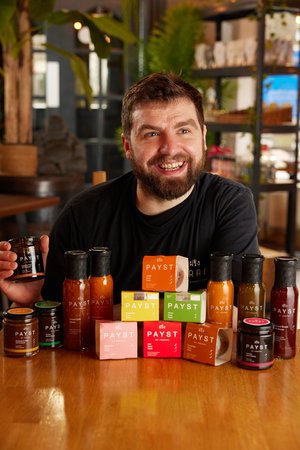
Head chef & founder of Farang London restaurant. Cookbook author of ‘Cook Thai’ & ‘Thai in 7’. Chief curry paste basher and co-founder of Payst London.