
The Rise of Regional Thai Cuisine: Beyond Bangkok's Shadow
Pad Thai is not Thai food. Or rather, it is, but it’s about as representative of Thai cooking as a fish finger is of British cuisine. The obsession this country has with three or four dishes from a country with four distinct regional traditions and thousands of years of culinary history has always baffled me, and after nine years running Farang, I’m done being polite about it.
Thailand is not one thing. The north, the northeast, the central plains, the south. Four regions with climates, histories, and ingredients so different from each other that a cook from Chiang Mai and a cook from Hat Yai are essentially working in different culinary languages. The idea that green curry and tom yum represent Thai food is like saying bolognese represents Italy. Technically not wrong. Completely missing the point.
When I opened Farang I played the game. Green curry on the menu because people expected it. Pad see ew because without it you’d have reviews complaining about the lack of proper Thai food from people who’d never been further than Khaosan Road. But as the restaurant found its feet and our diners started to trust us, I began pushing at the edges. Northern jungle curry. Isaan-style larb. Southern sour broths. Dishes that nobody in the room had necessarily eaten before and that required some conversation to land. The response, when we got it right, was electric.
The north is where I started because it’s the region most likely to catch people off guard. Khao Soi, the coconut noodle soup with crispy noodles on top, is the famous one, the gateway drug, and for good reason. But what really gets me about northern Thai cooking is the absence of coconut milk across so much of its repertoire. Jungle curry is a broth-based dish, no coconut, intensely aromatic from galangal and kaffir lime leaf and whatever herbs are in season, traditionally built around foraged vegetables because the mountains deliver what the mountains deliver and you cook with it. The first time I put it on the menu I half expected people to send it back. Instead they ate every drop and asked what it was. That’s the thing about food that has genuine heritage behind it. It doesn’t need to be sold. It just needs to be understood.
Isaan is a different education entirely. The northeast is the largest and historically the poorest region of Thailand, and the food reflects that in the best possible way, built on fermentation, on technique, on making extraordinary things out of not very much. Pla ra, the fermented fish sauce aged for months until it develops this brutal depth of flavour, underpins half the region’s cooking. Larb is the one that gets people excited because on paper it sounds simple, minced meat with herbs and lime juice, but the real version has toasted rice powder worked through it for texture, dried chillies for heat, a punch of fish sauce that makes your eyes water in the right way. We’ve been running an Isaan-inspired dish using British lamb and the way those flavours work with a meat we grew up eating here is one of the most satisfying things on the menu right now.
The south is the one that shocks people most because it strips away every association they have with Thai food being sweet or gentle. Southern Thai food is aggressive. Gaeng som, the sour curry, is closer to a sharp, hot broth than anything coconut-based, built on tamarind and fresh turmeric root and pounded chilli with absolutely no interest in being approachable. We ran a version with British mackerel and some tables absolutely weren’t ready for it. The ones who were ready for it ordered it again before they’d finished the first bowl.
What’s happened in the last few years is that British diners have started asking better questions. Not just what is this but why does it taste like this, what is that ingredient, how is it made. That shift is real and it’s changed what’s possible in the restaurant. When someone wants to understand why jungle curry has no coconut, you can tell them about the forest, about altitude, about the way northern cooking developed separately from the central palace food that most of the world mistakes for Thai cuisine. That conversation makes the food better. It makes the meal worth having.
The challenge for anyone cooking regional Thai food outside Thailand is resisting the urge to sand the edges off. The sourness of gaeng som should be confrontational. The funkiness of pla ra should make you pause before it pulls you in. The heat in southern curries is not decorative. Soften any of that and you haven’t made it more accessible, you’ve just made it less interesting and less honest, and anyone who’s eaten the real thing will know immediately that something has been lost.
Regional Thai cuisine doesn’t need a moment. It needs time and it needs people willing to cook it without compromise. The food has been there all along. We just spent twenty years looking the wrong way.
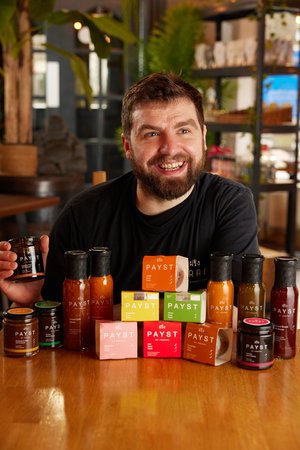
Head chef & founder of Farang London restaurant. Cookbook author of ‘Cook Thai’ & ‘Thai in 7’. Chief curry paste basher and co-founder of Payst London.