
We're Being Taxed Out of Existence - And Nobody in Government Seems to Care
I got an email this morning from London on the Inside asking me to sign a letter to Rachel Reeves. The ask was simple: reduce VAT for hospitality from 20% down to 10%, bringing us in line with the rest of Europe. I signed it before I'd even finished reading.
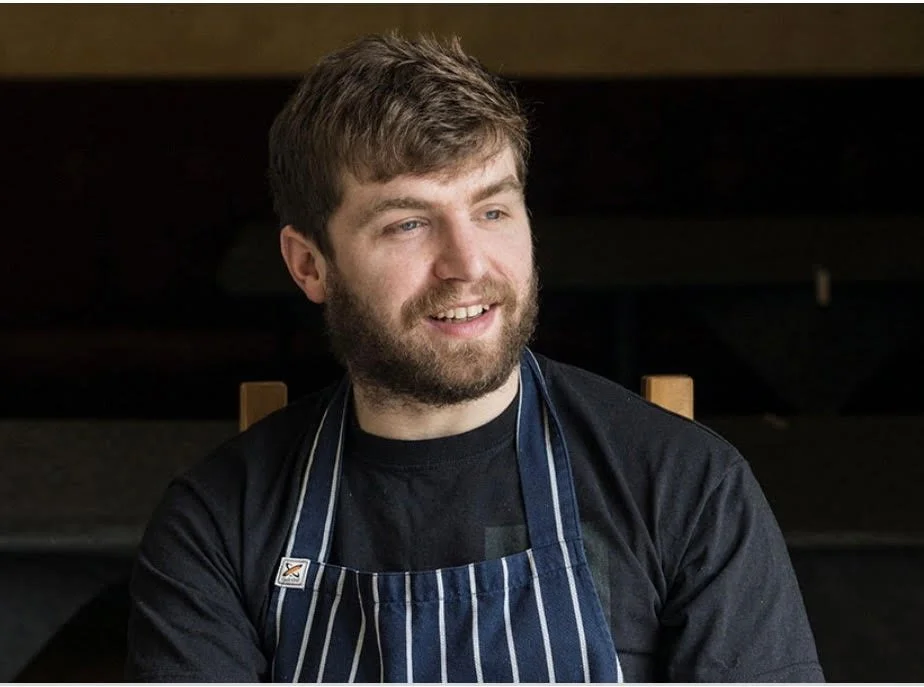
Because here's where I'm at. I'm 36 years old. I run Farang in Highbury, a restaurant I've built from nothing with a team I'm genuinely proud of. I work 50-plus hours a week behind the wok. I spend my days off running the admin, developing recipes, managing suppliers, and building my other business Payst. I employ 18 people - including my mum. I give to local school charities and raffles. I make food that has an airplane ticket attached to every dish, sourced with intention, cooked from scratch, served with care. I have a loyal customer base and a restaurant that people genuinely love.
And every single quarter, I hand over £30,000 in VAT.
Thirty. Thousand. Pounds. A quarter.
So when I hear that the EU average VAT on hospitality sits at 10-13%, I don't just find that interesting. I find it enraging. Because asking for a reduction to 10% isn't asking for a handout. It's asking to keep a bit more of the money we've already earned.
The Numbers Behind the Noise
This isn't just my frustration talking. The numbers are staggering.
Hospitality is the third biggest employer in the UK, with over 3 million people working across the sector, generating more than £40 billion in tax revenues and over £138 billion in sales annually. We are not a niche industry. We are not a luxury. We are a cornerstone of how this country works, socialises, and recovers from a hard week.
And we're being systematically dismantled.
The hospitality sector directly contributes £93 billion annually to the UK economy. Between September and December 2025 alone, it employed 20,000 fewer people than the previous quarter - and that was over Christmas, traditionally the busiest trading period of the year.
Meanwhile, two licensed venues are closing permanently every single day in the UK. Not a bad week. Not a rough patch. Every. Single. Day.
UKHospitality, the industry's trade body, has put it plainly: "This cannot continue. The Government has pushed hospitality to the breaking point, and we now run the very real risk of being taxed out of existence."
I don't often quote trade bodies. But that sentence lands.
The Budget That Broke Us
Last October, Rachel Reeves delivered her Autumn Budget. For hospitality, it was a body blow. Employer National Insurance contributions rose from 13.8% to 15%, while the threshold at which they kick in was cut from £9,100 to £5,000 per year. On top of that, the National Living Wage went up by 6.7%.
I want to be clear: I support workers being paid fairly. I genuinely do. But a wage increase without meaningful tax relief for the businesses paying those wages isn't generosity - it's a hidden tax. Every wage rise comes with higher income tax receipts and higher National Insurance contributions flowing back to HMRC. The government gets more. The business, which is already operating on margins so thin they barely register, gets nothing.
A restaurant employing 20 staff at an average salary of £25,000 now faces an additional £24,000 in annual employment costs - a 12-15% rise in payroll expenditure. For venues operating on profit margins of 3-6%, that single change doesn't just hurt - it ends businesses.
Kate Nicholls, CEO of UKHospitality, said it clearly: "The change to employer NICs is one of the most regressive tax changes ever. The scale of this change is unprecedented, bringing three quarters of a million people into this employer tax for the first time."
And the result? Almost 90,000 jobs have been lost in hospitality since the Budget - accounting for 53% of all job losses across every industry in the UK. More than half of all job losses in Britain. From one sector.
When 9-to-5 is Someone Else's Life
Here's what I want people who have never worked in a kitchen to understand.
When it's 30 degrees outside and you're in the park with a cold drink, we're behind the wok. When it's Christmas Day and you're with your family, we're plating up. Bank holidays, Friday nights, Valentine's Day, New Year's Eve - these are not days off for hospitality workers. They are the job. They are the whole point.
We gave up the concept of a normal weekend a long time ago, not because we had to, but because we love what we do. We feed people. We create memories. We're there when someone proposes, celebrates a promotion, brings their parents to London for the first time, or just needs a really good bowl of food after a difficult week. That is not nothing. That is a lot.
And we do all of this while running on margins so small that a single quarterly VAT bill, a supplier price hike, or a quieter-than-expected January can genuinely threaten everything we've built.
We should be getting a medal. Instead, we're getting a higher tax bill.
The Hot Chicken Absurdity
While we're here, I want to talk about something that illustrates better than anything else just how broken and out of touch the rules really are.
If I make a green curry chicken - source the ingredients with care, cook it from scratch, put real skill and passion into every element of it - and I serve it to you hot on a plate in my restaurant, the government takes 20% VAT. If I make that exact same green curry, with the same care and the same skill, and I put it in a box cold for you to take away, they take nothing.
Same dish. Same love. Same team. Same airplane ticket worth of sourcing. Different temperature - different tax rate.
Hot food served in a restaurant attracts 20% VAT. Cold takeaway food is zero-rated. This bizarre rule - which became famous in 2012 during the so-called "Pasty Tax" debate - essentially means the government has decided that warmth is a luxury worth taxing.
Who does this benefit? Not independent restaurants cooking real food. It benefits supermarkets, selling ready meals at enormous scale under zero-rated cold conditions, with the buying power to absorb costs we could never dream of. France applies a reduced rate of 10% to accommodation and dining. Spain and Germany maintain similar measures to support their hospitality industries. Meanwhile the UK sits at 20% - one of the highest rates in the world for hospitality.
If you want to tax something, tax the companies that can afford it.
The Logic is Simple
I'm not an economist. I'm a chef. But I've been running a business long enough to understand one basic truth: if you keep taking slices from the same pie without baking another, you'll end up hungry.
The argument against reducing VAT is always the same - it costs the Treasury money. But that framing misses the point entirely. A thriving hospitality sector means more businesses open, more jobs created, more people employed, more income tax paid, more national insurance flowing in, more spending across the economy. Cut VAT, and the tax you lose on each transaction is offset many times over by the growth you enable.
The Government itself temporarily reduced hospitality VAT to 12.5% during the pandemic recovery period, from October 2021 to March 2022. The sector responded. Businesses survived that should have closed. That wasn't coincidence.
Interestingly, this summer the government announced a temporary 5% VAT reduction for children's meals and family visitor attractions - proof, if it were needed, that they understand the mechanism. They know how to pull the lever. They're just choosing not to pull it for us.
UKHospitality CEO Kate Nicholls called it exactly right: "VAT is the single biggest lever the government can pull to lower prices, tackle inflation, drive demand, boost spending, generate growth and create new jobs."
What I Actually Want
I'm not writing this to complain. I'm writing it because I genuinely believe we are at a turning point, and the people making the decisions are too far removed from the reality of running a small business to understand what's actually at stake.
At Farang, we've worked hard to build something that doesn't price anyone out. Not the cheapest restaurant in London, but a place built on real value - every dish made from scratch by a team who care, sourced from places I've actually visited, priced to be accessible. I've always believed in that. But the costs pressing in from every direction make it harder every year to hold that line.
I pay my taxes. I employ people. I contribute to my community. I work harder in a single week than most people will work in a month. And I genuinely, honestly, do not understand why the government seems to view businesses like mine as a problem to extract money from rather than an asset to invest in.
We don't want special treatment. We want a fair shot.
Reduce VAT to 10%. Give us the same footing as our European counterparts. Watch the sector grow. Watch the jobs come back. Watch the high streets fill up again. And then - only then - will HMRC actually get more of its money, because the pie will be bigger.
It really is that simple.
Seb Holmes is a chef and the owner of Farang London, a Thai restaurant in Highbury, North London. He also runs Payst, a Thai paste and ingredient brand.
If you want to add your voice, you can sign the current petition to reduce VAT on hospitality to 10% - it needs 10,000 signatures to get a government response.
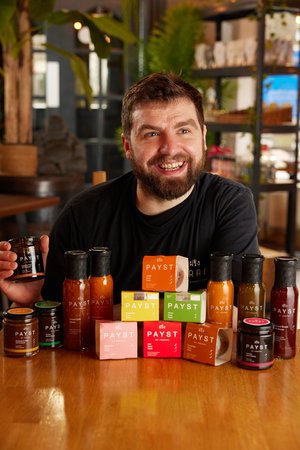
Head chef & founder of Farang London restaurant. Cookbook author of ‘Cook Thai’ & ‘Thai in 7’. Chief curry paste basher and co-founder of Payst London.